
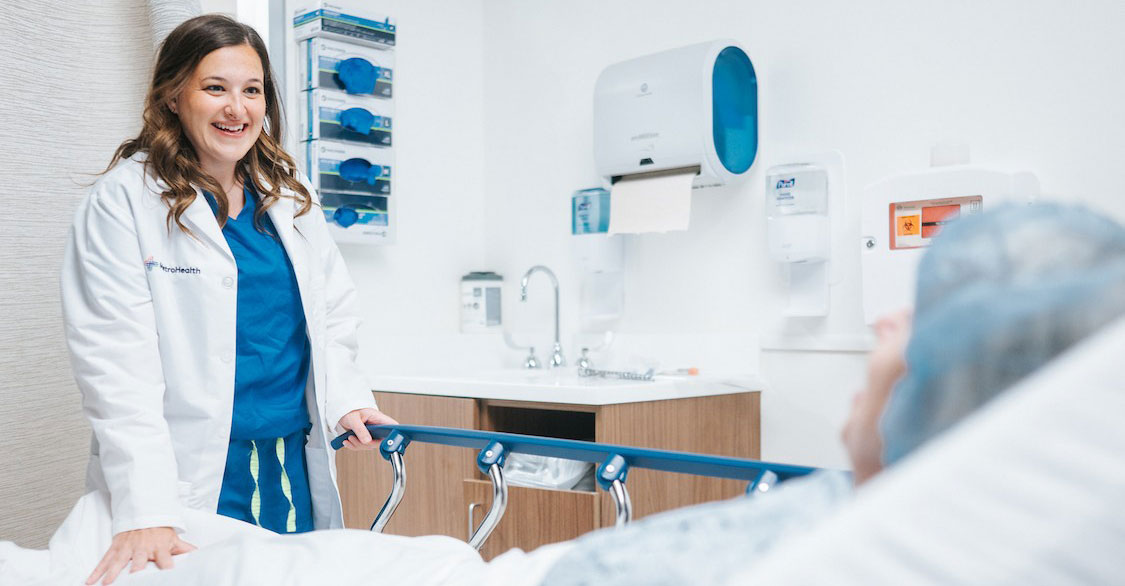
If you’re struggling with obesity, MetroHealth can design a personalized weight loss plan for you that may include GLP-1 medication, surgery or both.
January 9, 2026
Contributed by: Amelia Dorsey, MD / Bariatric/General Surgeon
GLP-1s vs. Bariatric Surgery? How MetroHealth Helps You Choose the Right Path
Obesity is a complex medical condition that affects your overall health. It’s not a personal failure — it’s a health condition that deserves real care and support. You may feel stuck and unsure about what the most effective treatment for you might be.
GLP-1s, such as Ozempic and Wegovy, are the latest medications for weight loss. Many people lose weight when they take GLP-1s, but they aren’t the best choice for everyone.
If you have obesity, you may wonder if you should take a GLP-1 or have weight loss surgery. At MetroHealth Weight Loss Surgery & Weight Management Center, we work with you to create a plan that fits your goals, health needs and lifestyle — not a one-size-fits-all approach.
Understanding GLP-1 Medications
GLP-1s are generally more helpful if you want to lose a moderate amount of weight. Weight loss usually begins within the first 4-6 weeks after starting the medication.
Most GLP-1 medications come as a shot that you inject into your body. They work by:
- Slowing your digestion so you feel full longer
- Telling your brain you’re full after eating
- Affecting your hormones to lower your blood sugar
“Medications can help people lose 10-20% of their excess body weight,” says Amelia Dorsey, MD, a surgeon at the Weight Loss Surgery & Weight Management Center. “These new medicines to treat obesity are a good thing.”
Like all medications, GLP-1s have side effects.
These may include nausea, vomiting and diarrhea. Also, some people who stop taking it may regain some or all of the weight, depending on their other habits.
At MetroHealth, we monitor how you respond to GLP-1s and adjust your plan as needed so you get the safest, most effective results.
The Benefits of Bariatric Surgery
Surgery may be more effective if you’re looking for significant and long-term weight loss, especially if other approaches haven’t worked.
There are two main types of weight loss surgery:
- Gastric sleeve: Removes a large portion of the stomach and can help you lose about 55–60% of your excess weight (the weight above your ideal body weight).
- Gastric bypass: Makes the stomach smaller and changes how your body absorbs calories. It can help you lose about 70–75% of your excess weight.
“GLP-1s aren’t strong enough to treat people with morbid obesity and super morbid obesity,” Dr. Dorsey says. “Surgery is much more powerful to stimulate greater weight loss and support weight loss longer.”
Plus, weight loss surgery can help improve related health conditions like diabetes, high blood pressure and sleep apnea.
The MetroHealth team performs minimally invasive weight loss surgeries. These procedures use a small cut in the skin. They have a low risk of complications like infection and bleeding. Many patients go home the next day.
“Weight loss surgery is often misunderstood,” Dr. Dorsey points out. “It’s less risky than common procedures like gall bladder removal or appendectomy. Our surgical team is highly experienced, and we take great care to provide the safest experience possible.”
Why Weight Loss Isn’t an Either/Or Choice
A highly successful approach often combines GLP-1s and surgery, Dr. Dorsey advises. “The more you use all your resources, the better the outcomes.”
For some people, GLP-1s are very effective. They may not need surgery. But others may not lose enough weight from the medication alone, so they choose surgery. If you opt for surgery, you may take a medication beforehand to make the procedure safer. Or if you start regaining weight a year or more after surgery, a GLP-1 may be added to help you stay on track.
It may sound complicated, but that’s where our team comes in. Specialists in surgery, nutrition, behavioral health and chronic conditions work together to help you choose what’s best for you.
“We pride ourselves on taking a very personalized approach,” Dr. Dorsey says. “Each consultation is individualized, and our follow-up looks at every person as a whole to address their barriers to success.”
That includes lifetime support for better results. If you are taking medication, the MetroHealth team keeps track of your results and makes changes when needed. And if you choose surgery, follow-up starts two weeks after the procedure. Then, we see patients after one month, three months, six months, one year and annually.
“Once you’re part of our weight loss family, we’re with you for life,” Dr. Dorsey says.
A New Era of Weight Loss
If you have obesity, it’s hard to make substantial changes on your own. You deserve tools that truly work —and a team that believes in you.
“This new era of weight loss treatment is amazing,” Dr. Dorsey says. “People are taking control of their weight and seeing more results.”
Reset Your Body. Reset Your Life. Start Your Weight Loss Journey.
For more information, call 216-778-7433 or visit Weight Loss Surgery & Weight Management Center.
Your Questions Answered
What happens if the GLP-1 medication stops working?
Some people may stop losing weight after taking GLP-1s over time. We may increase your dosage or suggest you try a new medication. Or we can talk about surgery as your next step.
Will I still feel hungry after weight loss surgery?
Weight loss surgery can reduce your appetite, but you may still feel hungry at times. You may also start to feel full with much less food.
How can weight loss surgery affect chronic medical conditions?
Weight loss surgery can help lower your blood pressure and your risk for cancer, stroke and liver disease. It also can help treat diabetes by reducing your blood sugar. And weight loss surgery improves sleep and treats sleep disorders.