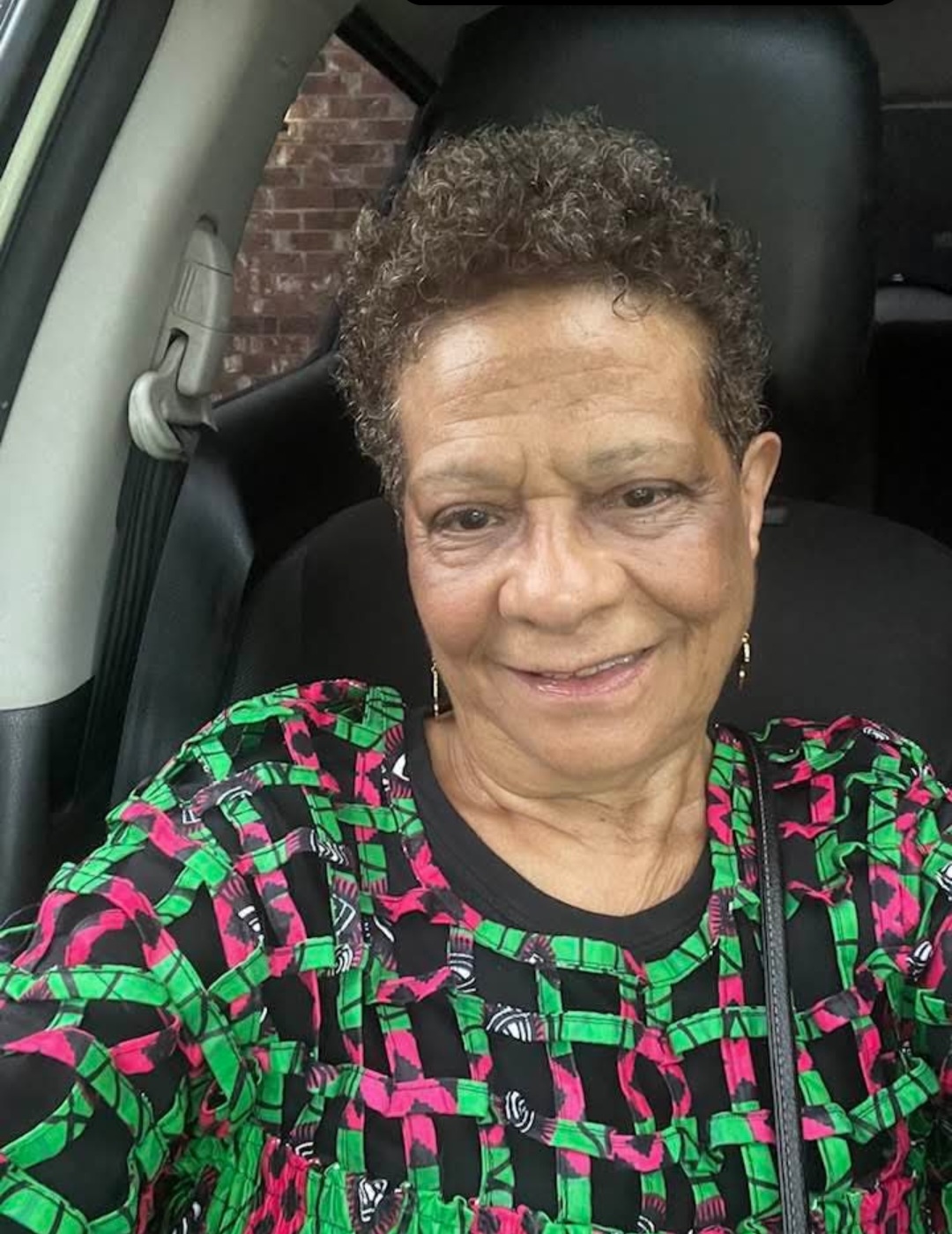
“I want to keep up the pace I had before,” Patricia said. “I’m not there yet, but I want to try. I want to do it.”
Retirement in 2017 – after 37 years with the U.S. Postal Service – didn’t slow down Patricia Williams.
She volunteered on political campaigns, at food banks, and at Playhouse Square. She served on the County Board of Elections Democratic Central Committee, representing a portion of Cleveland’s Ward 7. The holidays meant festive Kwanzaa potluck parties at her house. A certified doula, she assisted in the births of nearly 70 babies in four years.
In the fall of 2023, a few months after her 74th birthday, Patricia immediately felt queasy at a book signing event after taking a few bites of unfamiliar food. She’d always had a sensitive stomach, so she didn’t think much of it. A few hours later, Patricia woke up in the middle of the night with diarrhea and vomiting.
The following week, Patricia mentioned her stomach issues at a previously scheduled appointment with her primary physician at MetroHealth. She tested negative for food poisoning, but the diarrhea and vomiting remained even after taking medication for 10 days.
“I’d never been sick before; it just didn’t even cross my mind that it could be something serious,” Patricia said. But after three months, she decided it was serious.
Results from a second stool test showed a common bacterial infection in Patricia’s stomach and part of the small intestine. When medication didn’t clear things up, she had an emergency colonoscopy.
A week later, in January 2024, Patricia got the results of a pathology test that examined tissue samples from her stomach. It was ovarian cancer that had eroded through the colon wall.
Patricia told her older brother Craig the news and was adamant about having no treatment. She didn’t have the energy to fight.

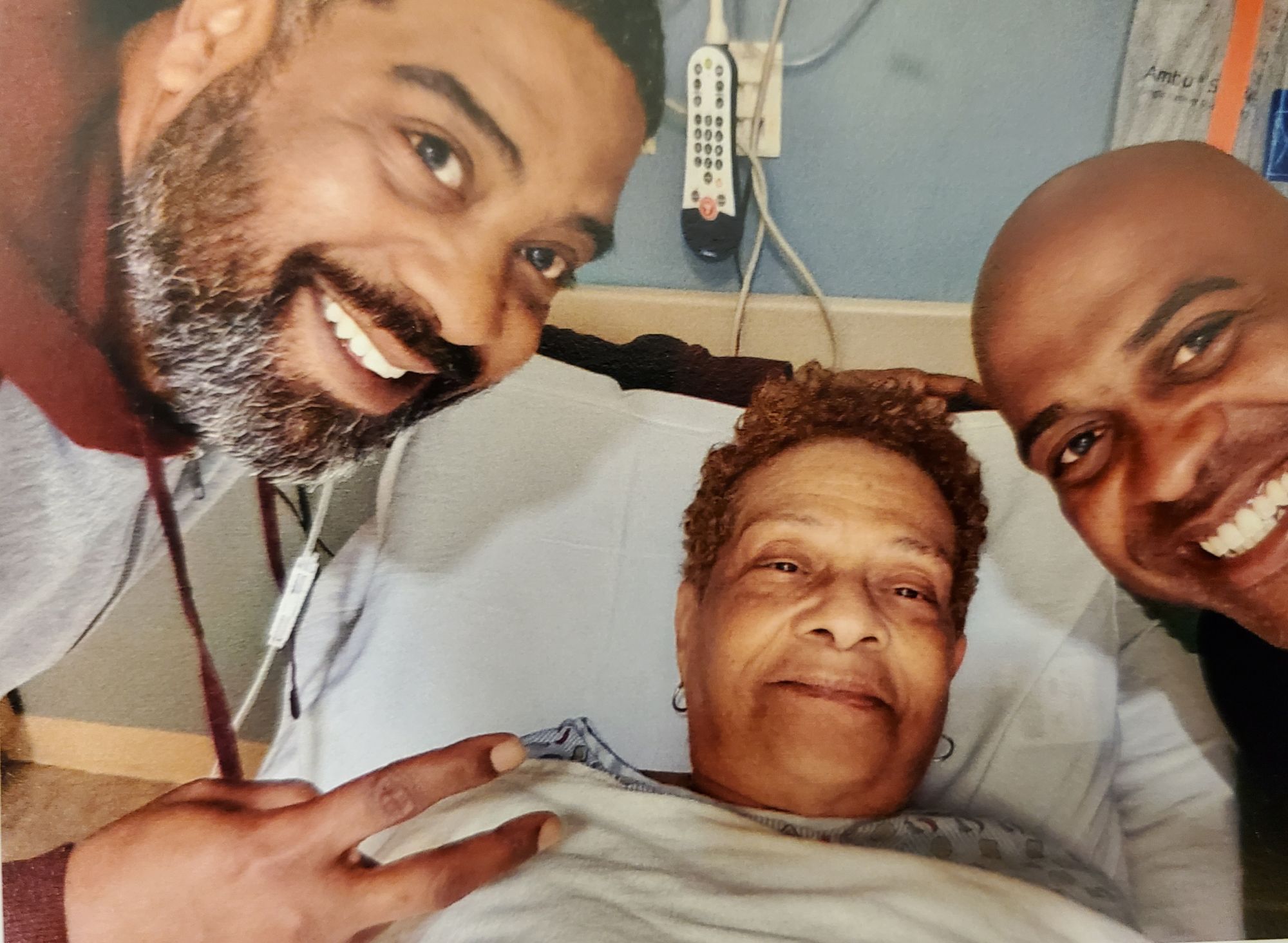
One week later, Patricia had her first oncology appointment at MetroHealth. With her were her brother, her sons Craig and Howard (who had traveled from Washington, DC and North Carolina) and her niece Dawn.
While explaining the pathology test results, the doctor kept looking at Patricia, then said to Howard, “If this was my mother, I’d take her to emergency immediately.”
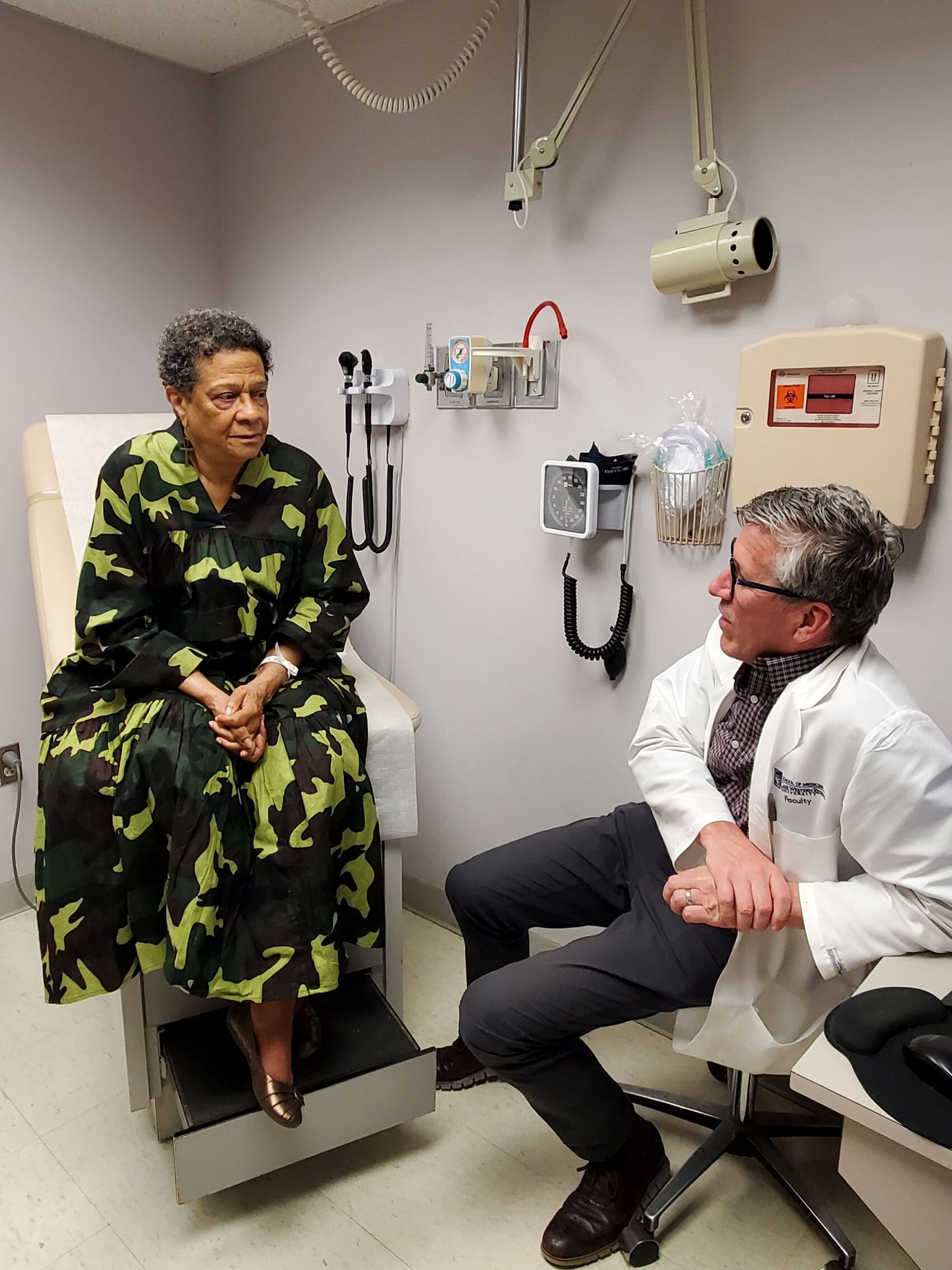
Patricia was admitted to the hospital. The next day, she woke up to see gynecologic oncologist Donald Wiper III, MD, sitting at the foot of the bed, surrounded by his team.
“You can call me ‘Chip,’” said Dr. Wiper, who 18 months earlier had joined MetroHealth as the new Chair of the Department of Obstetrics & Gynecology. He laid out the treatment plan: chemotherapy, surgery, more chemo and more surgery.
Patricia remembers how quickly Dr. Wiper connected with everyone in the room – her brother, sons and niece.
“He was just comfortable, just one of us,” she said. “He understood what I needed, how I felt.”
That first conversation focused not on what was wrong with Patricia, but on how to help her get better. “I believed that what he said he was going to do was going to work,” she said.
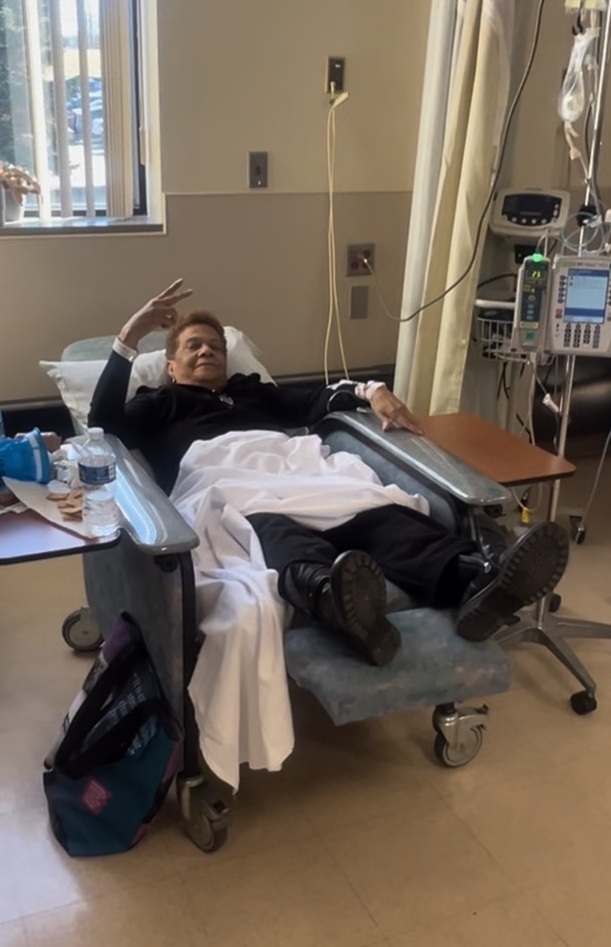
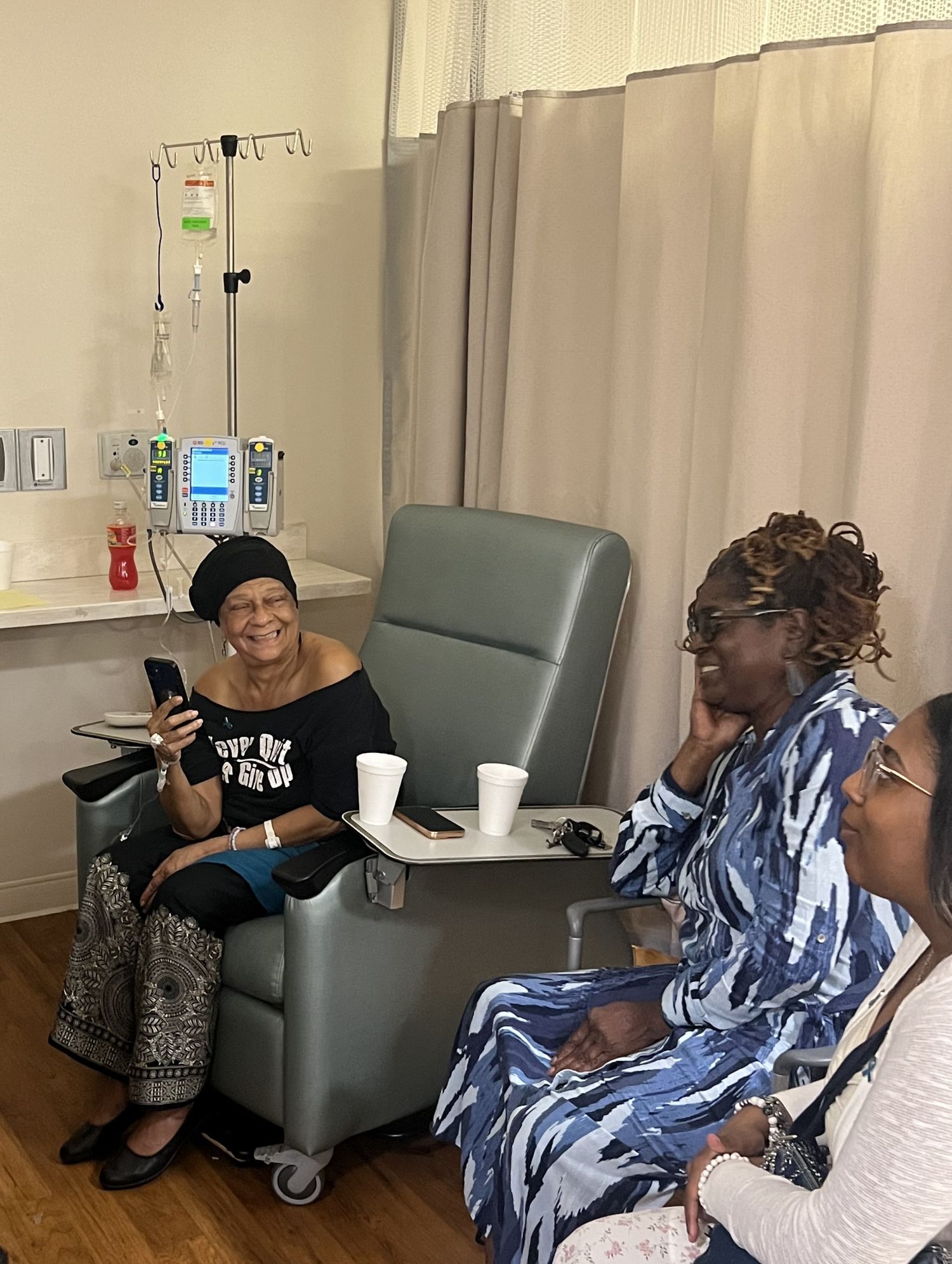
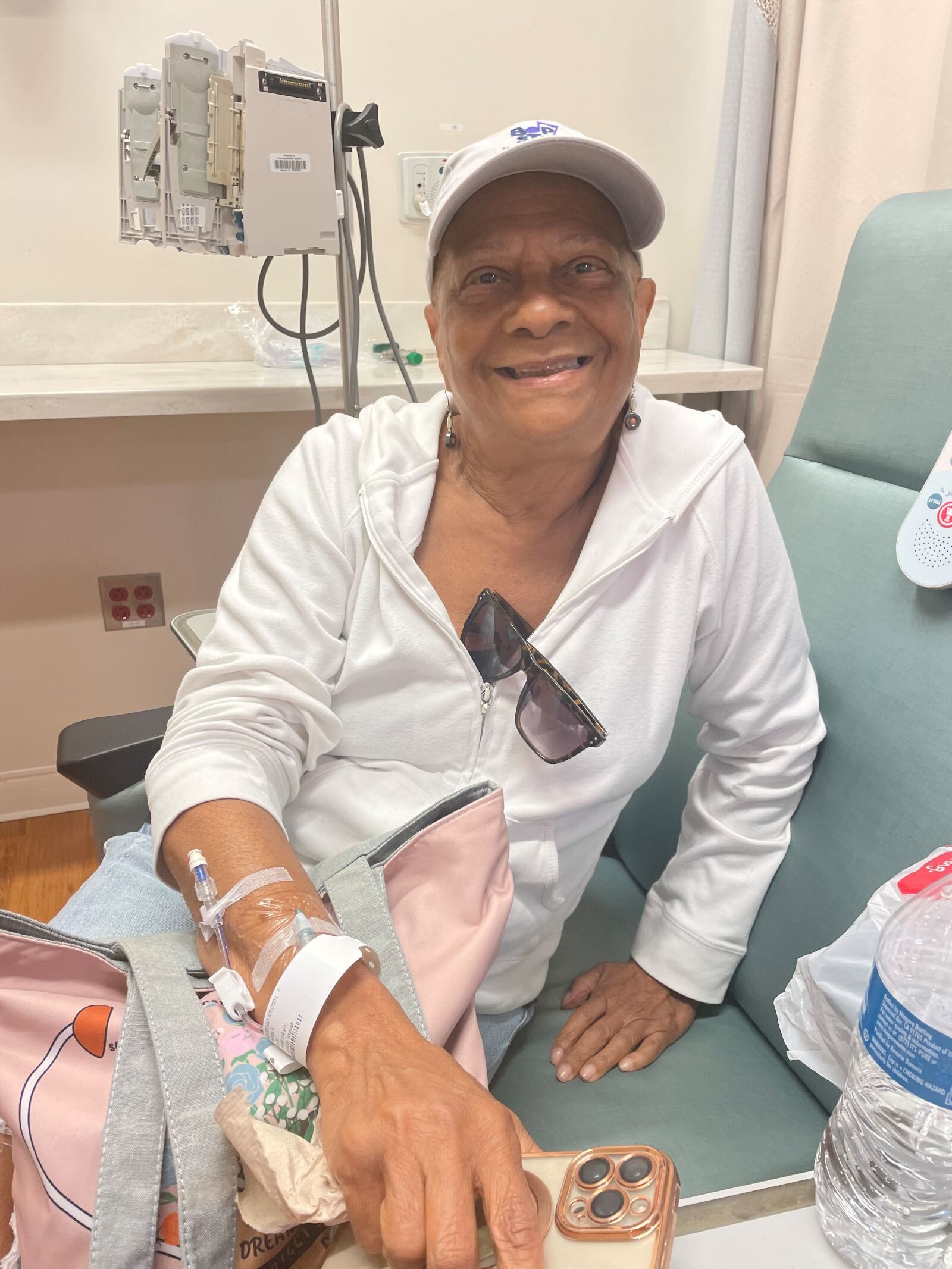
In early February, days after being released from the hospital, Patricia started her first round of chemotherapy. Joining the group accompanying Patricia was her best friend, Phyllis.
Forty pounds lighter since the start of her stomach issues, Patricia met with palliative care to see if there was any alternative treatment. She wanted to quit chemo, but she didn’t. Phyllis drove Patricia to her second session. Waiting at MetroHealth were her sons and niece.
After a couple of weeks, Patricia started feeling better. She had stopped losing weight.
The chemo was working. Before, her CA 125 – a tumor marker blood test – was 8,000. Anything above 35 is considered irregular and prompts more tests to indicate the presence of certain cancers. After a couple of infusions, her CA 125 was 1,900.
Patricia’s mood shifted. “I got dressed one day and I felt so excited, like, ‘I can do this treatment!’”
Dr. Wiper told Patricia’s family that she had a real fighting chance of getting into remission and living a long time – or even being cured. They talked about recurrence rates. For Patricia’s type of cancer, it can be as high as 85%.
Howard and Craig, Patricia’s sons, came up with an affirmation: “10 for 10.” If she could endure the rigors of 10 months of treatment to get 10 more years of life, the grueling treatment would be worth it.
Patricia completed four chemo sessions. Then, on May 29, 2024, she underwent a radical pelvic resection of the remaining cancer in her pelvis. During the nearly 5-hour surgery, her uterus, ovarian cancer mass and the lower section of her colon were removed.
Assisting Dr. Wiper was a team of vascular surgeons led by Garietta Falls, MD. Together, they removed the only other site of disease, a huge cancerous lymph node on Patricia’s aorta, the artery that carries blood from the heart to the rest of the body.
After surgery, Patricia’s CA 125 number was at 5, back to “normal.” Other tests and imaging showed no remaining visible cancer.
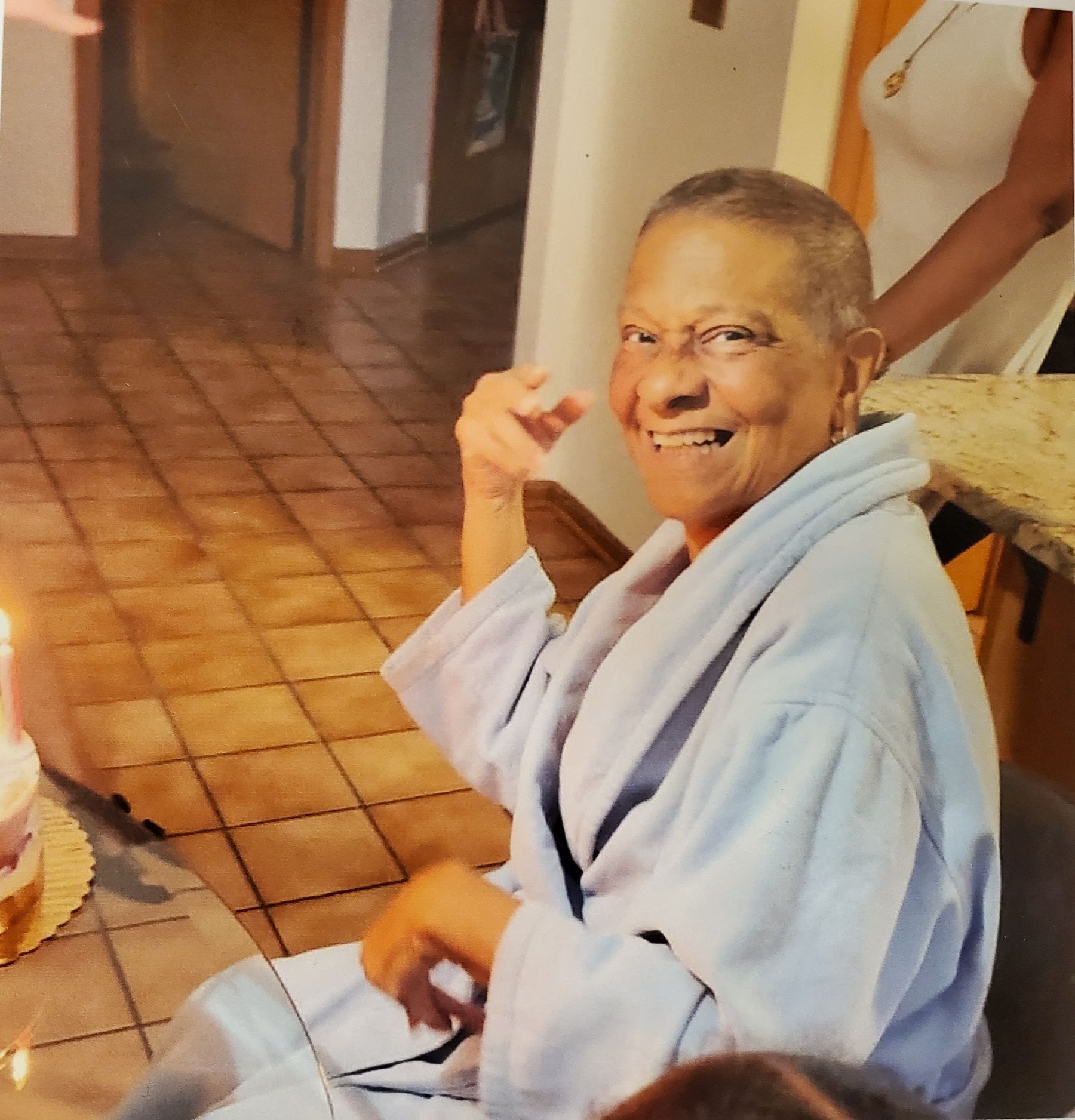
For the next few months, she had a temporary ostomy bag to help remove bodily waste while the remaining area of her bowel healed.
In mid-June, three weeks after surgery, Patricia started chemo again.
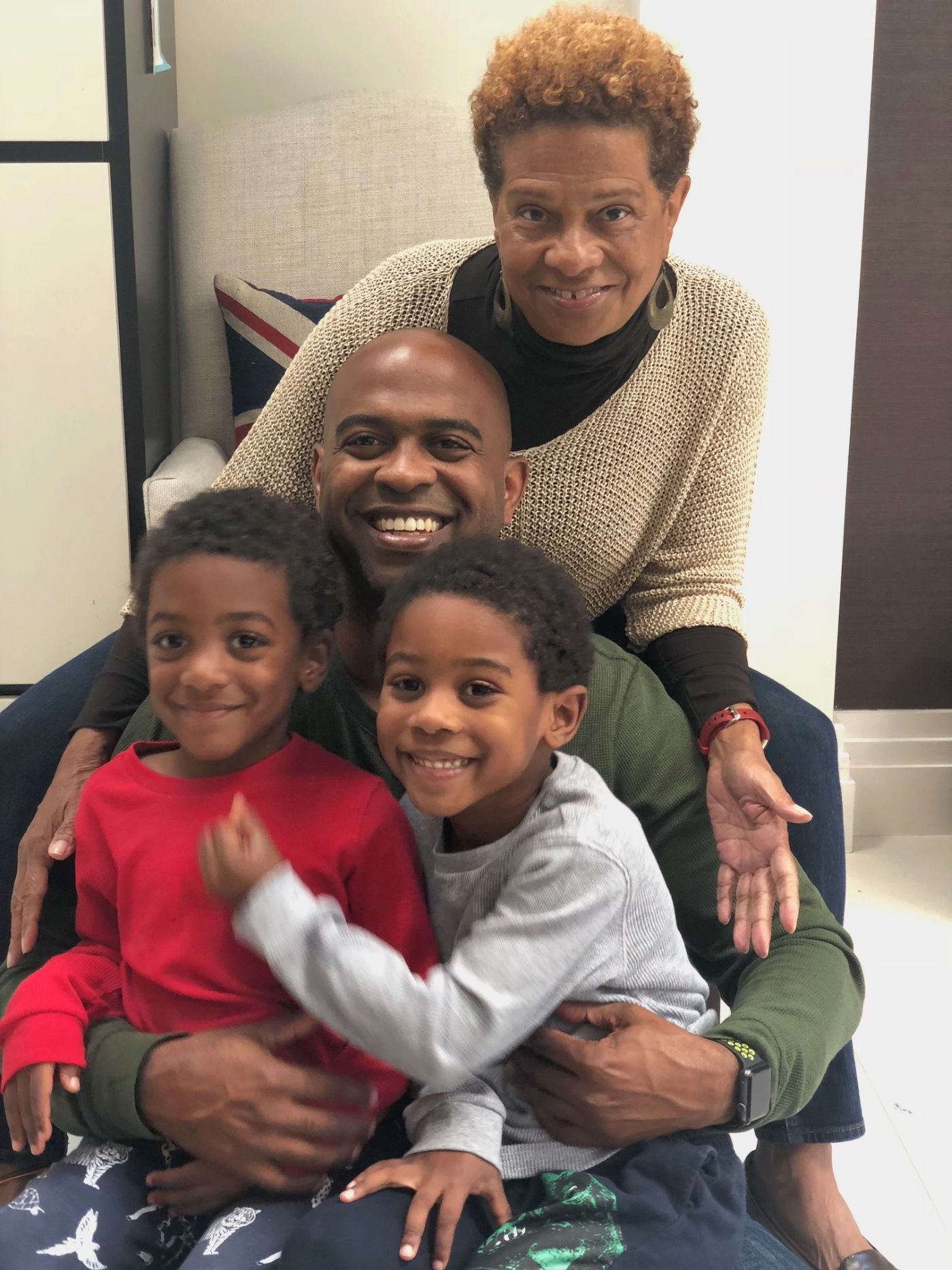
Patricia’s sons came up every couple of weeks. So did her oldest “grandson” (her niece’s son), driving every other weekend from Cincinnati, even though she didn’t want all the fuss.
Her “granddaughter” Sara, a State Tested Nurse Aide, moved back home to Cleveland from New York to help take care of her.
Patricia’s recovery from surgery was going well, but she chose to stay close to home; she didn’t want to worry about bathroom issues.
On September 17, following her last chemo, Patricia rang the bell in front of 10 friends and relatives.
On November 5, Patricia spent 15 hours at the Board of Elections working on Election Day. At 6 a.m. the next morning, she reported to MetroHealth for her second surgery. Dr. Wiper performed a reversal of her ostomy, finally freeing Patricia from the ostomy bag.
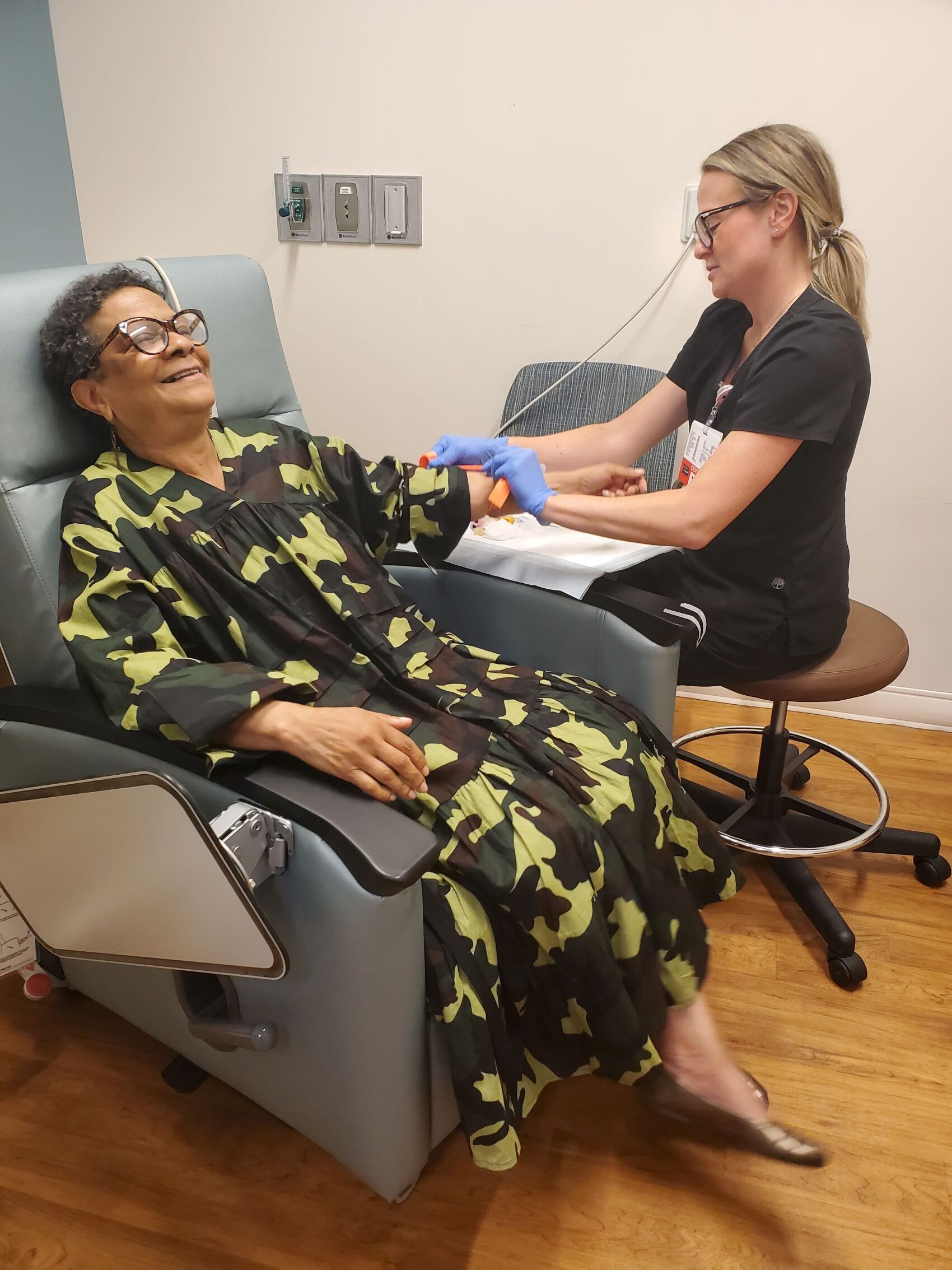
Since January 2025, Patricia has been in the next phase of her treatment. She takes a daily chemo pill and comes in every three weeks for a maintenance chemo infusion. She’ll do that until the end of 2026.
Patricia continues to deal with neuropathy in her feet, joint and muscle pain in her arms, and a finicky digestive system – side effects from chemo and major abdominal surgery.
She sees palliative medicine physician Michael Harrington, MD, for her neuropathy and pain management. After resuming her regular walks around the rec center track, a twisted ankle and hip pain have sidelined her for the past few weeks.
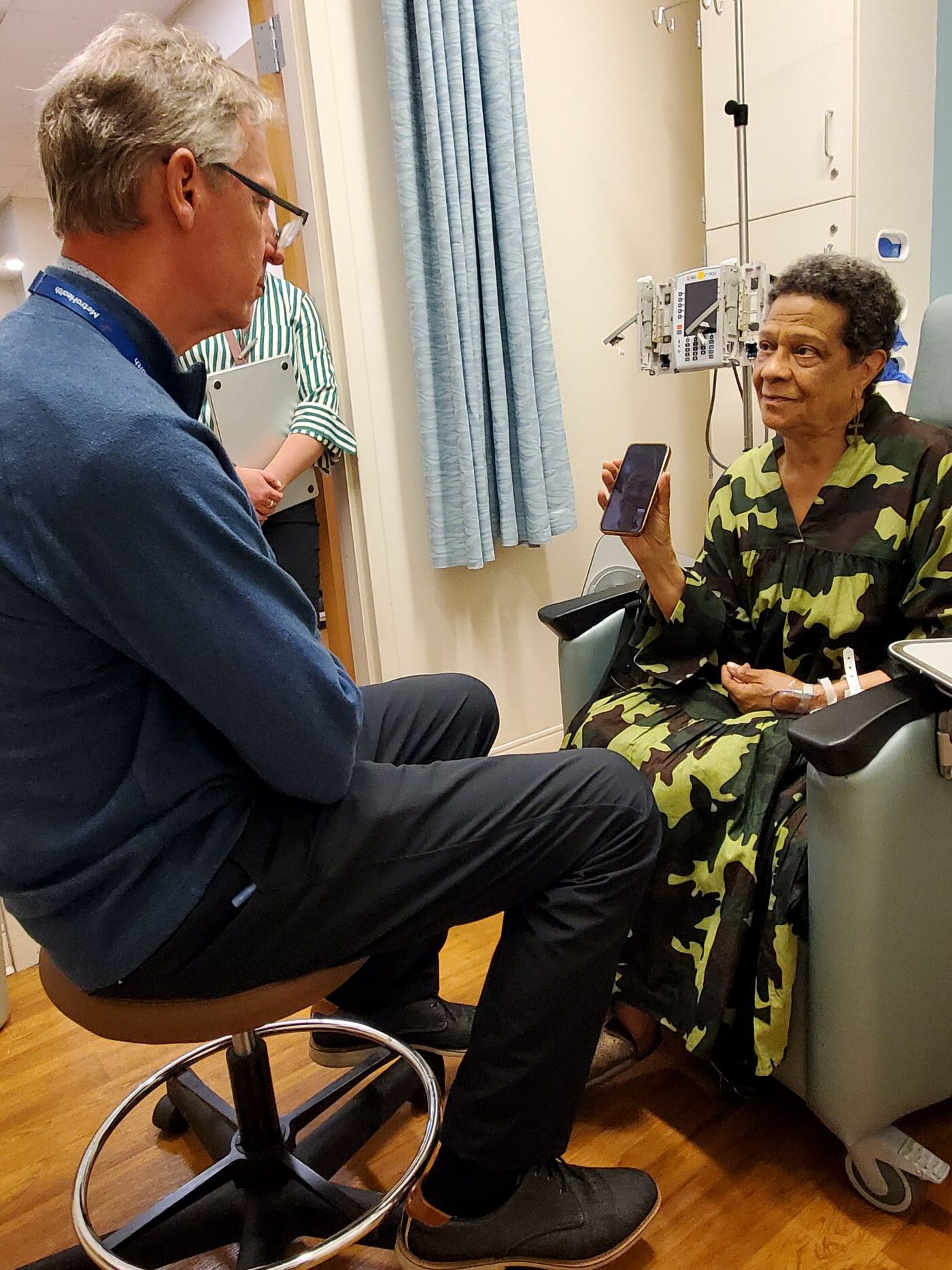
Dr. Wiper often stops by while she’s getting her maintenance chemo.
Sons Craig and Howard are present at all her MetroHealth Cancer Center appointments. Lately that means a FaceTime call from their homes, with a chance to ask Dr. Wiper questions.
Sometimes Patricia’s brother Craig is there. Other times it’s Dawn and her nephew Larry.
The rare days Patricia shows up solo, she jokes that she’s stopped telling her family her appointment schedule.
Although Patricia’s type of cancer typically has a less than 20% cure rate, the median survival rate for women diagnosed in their 70s and 80s is around 7 years, Dr. Wiper says.
“She had an understandable amount of fear but never wavered in whatever it was going to take,” Dr. Wiper said. “And it was going to be a lot.”
Dr. Wiper says he expects to be checking in on Patricia for at least that long, if not longer.
“The relationships we have with our patients go on and on over many years. We tell them that we promise to stay with you on your cancer journey no matter where it goes or as long as you need me.
“The journey with our patients,” he says, “is the best part of my career.”
Slowly, Patricia is returning to her activities and routine.
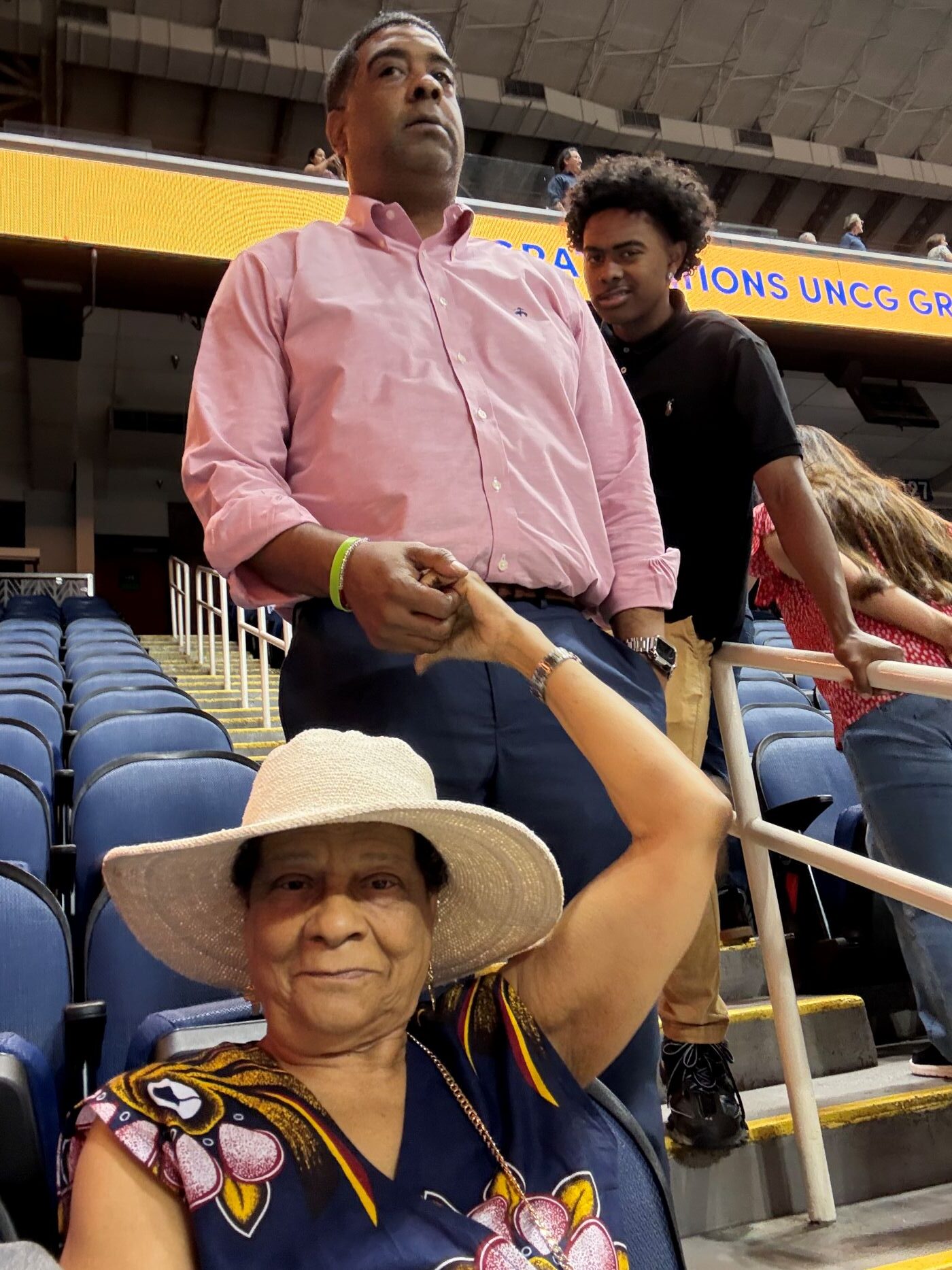
In May she traveled to North Carolina for her granddaughter’s college graduation.
She took her first flight since her diagnosis, visiting her son Craig and his family in Washington, D.C. over the summer.
Patricia attended an orientation for Playhouse Square volunteers in September. She still has her red blazer and – if she feels up to it – wants to put it back on.
After resuming her regular walks around the rec center track, ankle and hip pain has sidelined her for the past few weeks.
Twice this year – in May and November – she worked a 15-hour shift at the voter assistance on Election Day.
The Kwanzaa party will return in December.
“I want to keep up the pace I had before,” Patricia said. “I’m not there yet, but I want to try. I want to do it.”