
If you or someone you love has a stroke, getting help fast and starting rehab early can improve recovery. These six steps show what to do.
Published May 18, 2026
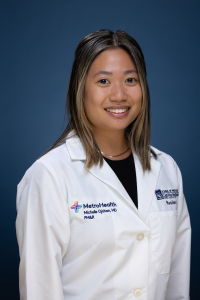
Contributed by: Michelle Djohan, MD / Physical Medicine & Rehabilitation
Don’t Wait: 6 Steps That Can Improve Stroke Recovery
What you do in the first minutes, hours and days after a stroke really matters. Fast emergency care and early rehab can help improve recovery, independence and quality of life.
#1: Don’t Ignore These Stroke Warning Signs
Many people think are always sudden and severe. Sometimes they are—but not always.
“A person may suddenly feel dizzy, numb or just not like themselves,” says Michelle Djohan, MD, a physical medicine and rehabilitation specialist at MetroHealth. “Their speech may sound different, or their face may droop. These signs can be subtle, and people may try to ignore them or go to sleep to see if symptoms improve.”
That’s why care providers often say, “Time is brain.” The longer a stroke goes untreated, the greater the risk of permanent brain damage and long-term disability.
Remember the acronym BE FAST:
- Balance problems
- Eye or vision changes
- Face drooping
- Arm weakness
- Speech problems
- Time to call 911
Waiting can mean the difference between a good recovery and long-term disability. Even if symptoms seem mild, call 911 right away.
#2: Call 911 Instead of Driving Yourself to the Hospital
Calling 911 does more than get you to the hospital.
Paramedics can start checking symptoms right away. They can also alert the hospital, so the stroke team is ready when you arrive.
In some cases, mobile stroke teams can even do brain scans in the ambulance.
Stroke symptoms can get worse very quickly. Prompt treatment can lower disability and sometimes even reverse symptoms. Doctors may use medication to break up a clot or procedures to restore blood flow to the brain.
#3: Go to a Stroke-Certified Hospital for Emergency Care
Where you go for treatment matters.
MetroHealth offers complete stroke care, from 24/7 emergency treatment to rehabilitation therapy. Our four Stroke-certified emergency departments are trained to spot stroke symptoms fast and start treatment right away.
MetroHealth Main Campus is also a Comprehensive Stroke Center, meaning it provides the highest level of stroke care. Patients treated at these centers often have better outcomes and access to advanced treatments.
#4: Start Rehabilitation as Early as Possible
After a stroke, patients usually stay in the hospital for several days or longer. During this time, the care team will help you:
- Learn what caused the stroke
- Manage health problems like high blood pressure, diabetes or high cholesterol
- Create a rehabilitation therapy plan to improve strength, movement, speech and daily living skills
“Rehab can look different for everyone, but it’s crucial for recovery,” Dr. Djohan says. “For some patients, inpatient acute rehabilitation is the best next step. Others may continue recovery through outpatient therapy. The right plan depends on your symptoms, goals and level of support at home.”
#5: Choose a High-Quality Acute Rehab Center
Not all stroke rehab programs are the same.
Look for a rehab center that specializes in stroke recovery and brain injuries. Rehab therapy should be personalized and one-on-one to meet the patient’s needs and goals.
At the MetroHealth Rehabilitation Institute, stroke patients are cared for by a specialized team that includes:
- Doctors who are board-certified in physical medicine and rehabilitation
- Experienced nurses and therapists who specialize in stroke rehabilitation
- Physical, occupational and speech therapists
- Psychologists
- Support from nutrition, recreation and music therapists
The rehabilitation team works closely with stroke specialists at MetroHealth Main Campus, making it easier for patients to get extra care if needed.
#6: Stick with Recovery—Even When Progress Feels Slow
The first year after a stroke is especially important for recovery.
“You usually see the fastest improvement in the first three to six months,” Dr. Djohan says. “Progress may slow after that, but many people continue to improve—even after a year.”
MetroHealth also offers outpatient programs that help patients return to work and regain driving skills.
In addition, MetroHealth’s research programs give some patients access to clinical trials and emerging rehabilitation therapies that may not be widely available elsewhere.
Stroke recovery can also be emotional for patients and caregivers.
“The most important thing for recovery is to keep going with therapy and exercise,” Dr. Djohan says. “Give yourself or your loved one grace during the difficult moments. And know that your care team is here to support you every step of the way.”
If you or a loved one shows any stroke symptoms—strong or mild—call 911 right away.
Your Questions Answered
Q. Do You Have to Be a MetroHealth Patient to Receive Stroke Rehabilitation There?
A. No. You do not need to start your care at MetroHealth. Many patients transfer from other hospitals or begin outpatient therapy at MetroHealth after they return home.
Q. What Should I Look for in an Acute Rehabilitation Center After a Stroke?
A. Choose a rehabilitation program that regularly treats stroke patients and specializes in brain recovery. Therapy should be personalized to your needs and goals and may include physical, occupational and speech therapy, along with emotional and nutritional support. It’s also important to choose a rehab center with experienced stroke specialists and recognized accreditation.
Q. Does MetroHealth Offer Clinical Research Studies for Stroke Recovery?
A. Yes. Some patients may be eligible to take part in clinical research trials that focus on improving stroke recovery and offer access to new therapies along with standard care.