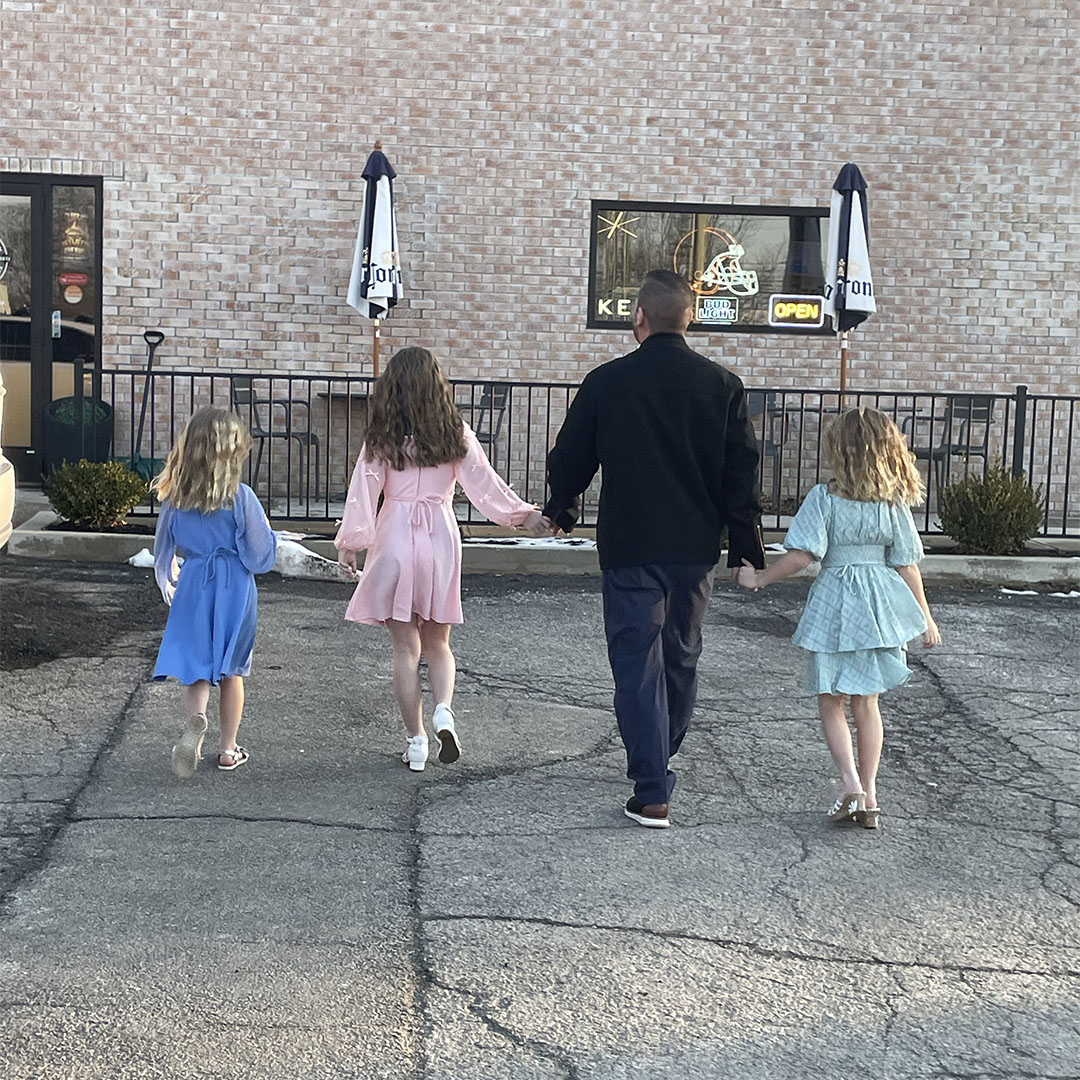
After a devastating skiing accident caused a traumatic brain injury, Dave Lengyel overcame immense challenges through expert rehab, family support and determination.
Published July 7, 2026
Dave Lengyel’s Traumatic Brain Injury Recovery
A Love of Skiing Passed Through Generations
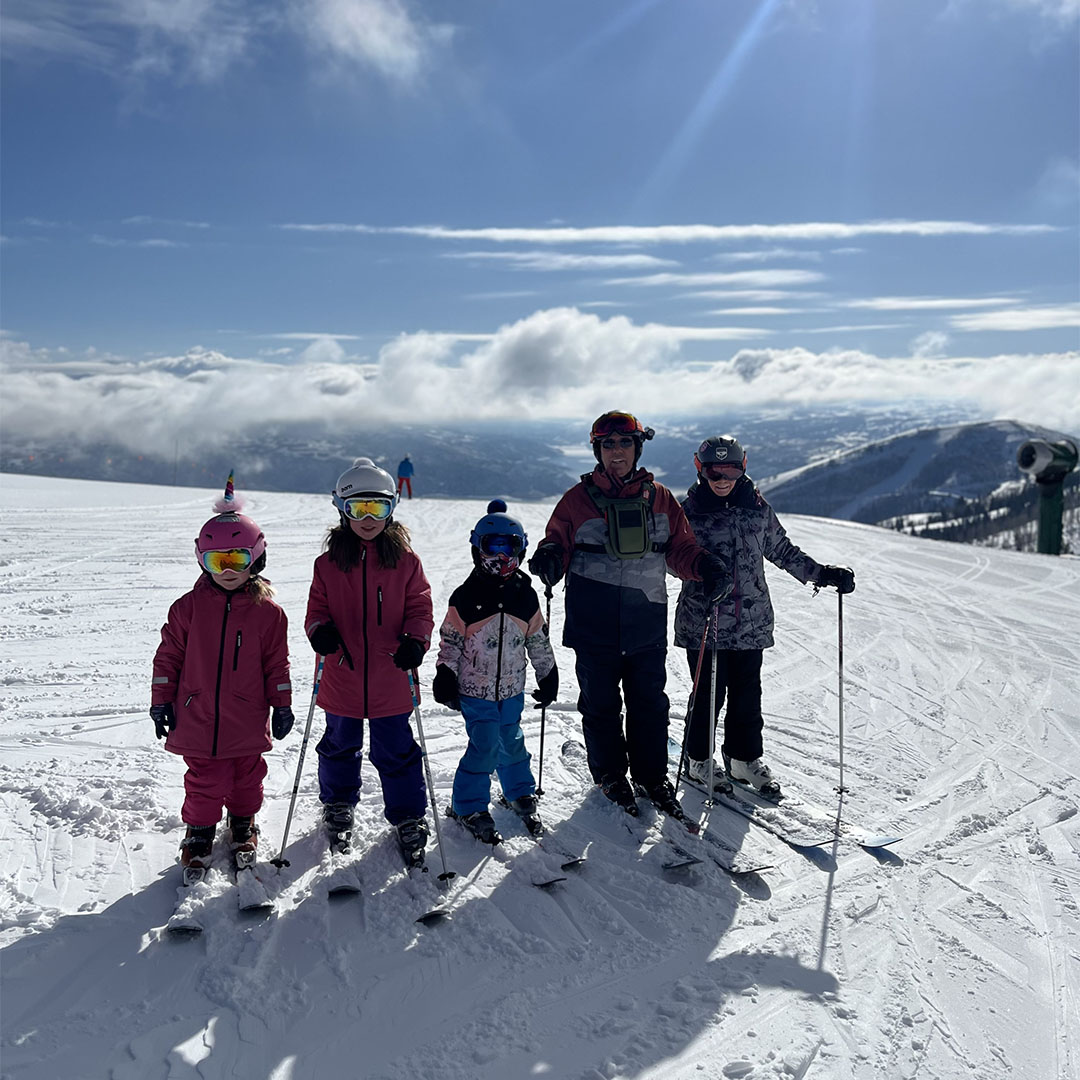
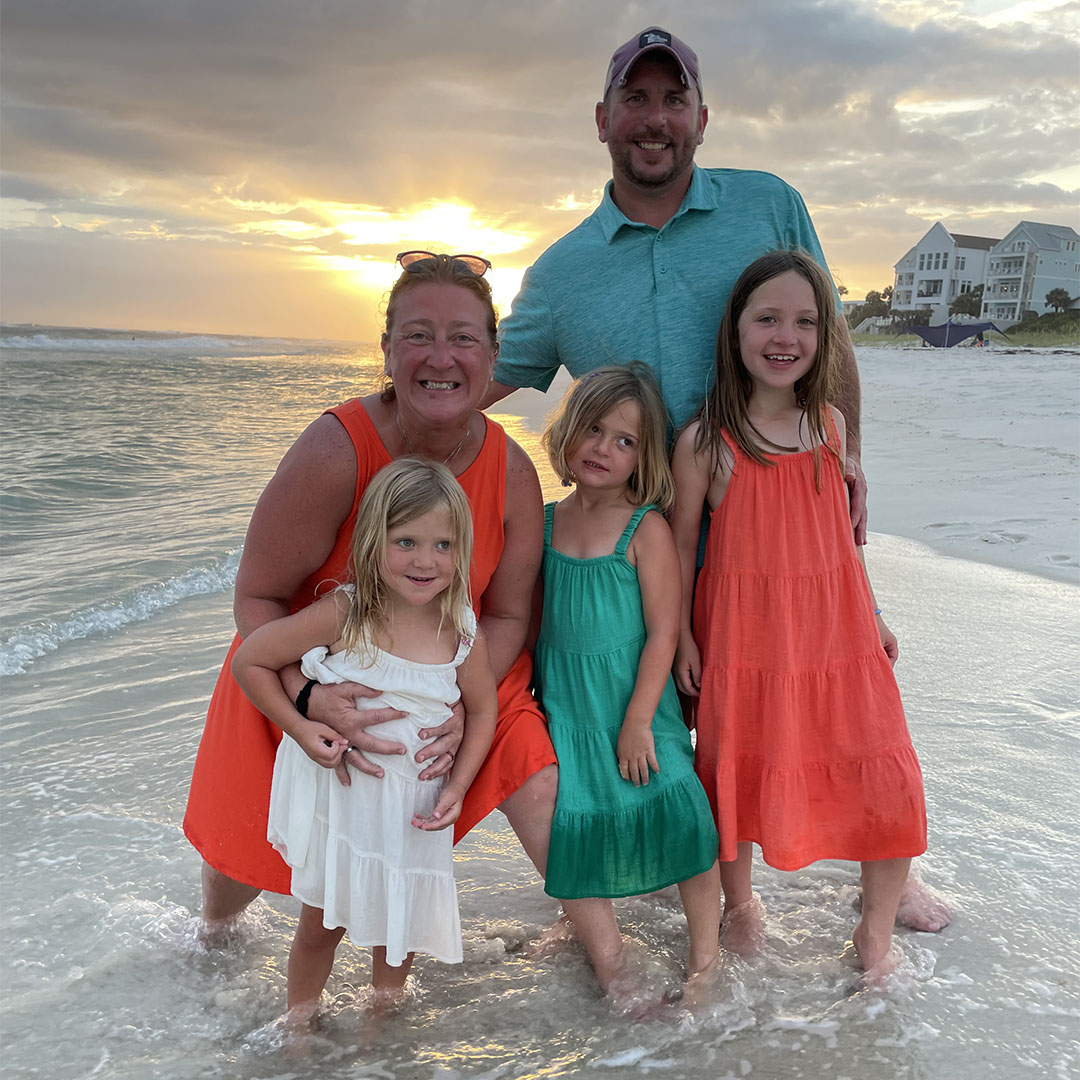
Amy and Dave Lengyel met in 2010 and married in 2013. They have three daughters, ages 6, 7 and 10. Dave’s parents had taught him and his twin brother, Dale, to ski when they were little. After retiring, the elder Lengyels spent their winters skiing and working at a resort in Utah.
In January 2026, Dave, Amy and the girls spent a long holiday weekend at a ski resort in New York with Dale and his family, and their cousins Ali and Pat and their sons. Two years earlier, Dave had introduced the girls to his love of skiing.
On January 18, Amy and Pat relaxed at the group’s rented house, waiting to pick up skiers from the resort. It was the last day of vacation. They’d head back to Ohio in the morning.
Around 6 p.m., Dale’s wife called Amy. Dave had been in an accident. Amy jumped in the car for the 5-minute drive. When she got to the resort, she found her three daughters hugging each other and crying uncontrollably.
The girls had gone down the mountain together for their last run and had been waiting for Dave at the bottom. As he jumped over a bump, Dave’s skis hit ice. When he fell, his face and head took the brunt of the impact. Dave’s helmet fell off, rolled down the mountain and landed at his daughters’ feet.

A Traumatic Brain Injury Becomes Apparent
Dale and members of the ski patrol were still with Dave when Amy arrived. They took him to the medic’s room. Covered in blood, Dave slipped in and out of consciousness. His pupils were completely dilated. He was unable to follow commands. He kept trying to pull off the neck brace that was stabilizing his cervical spine.
Amy could tell right away that Dave had sustained a traumatic brain injury. For 18 years, before leaving in 2024 for a part-time position that allowed more time with her family, she’d been a physical therapist in the inpatient Brain Injury Unit at the MetroHealth Rehabilitation Institute.
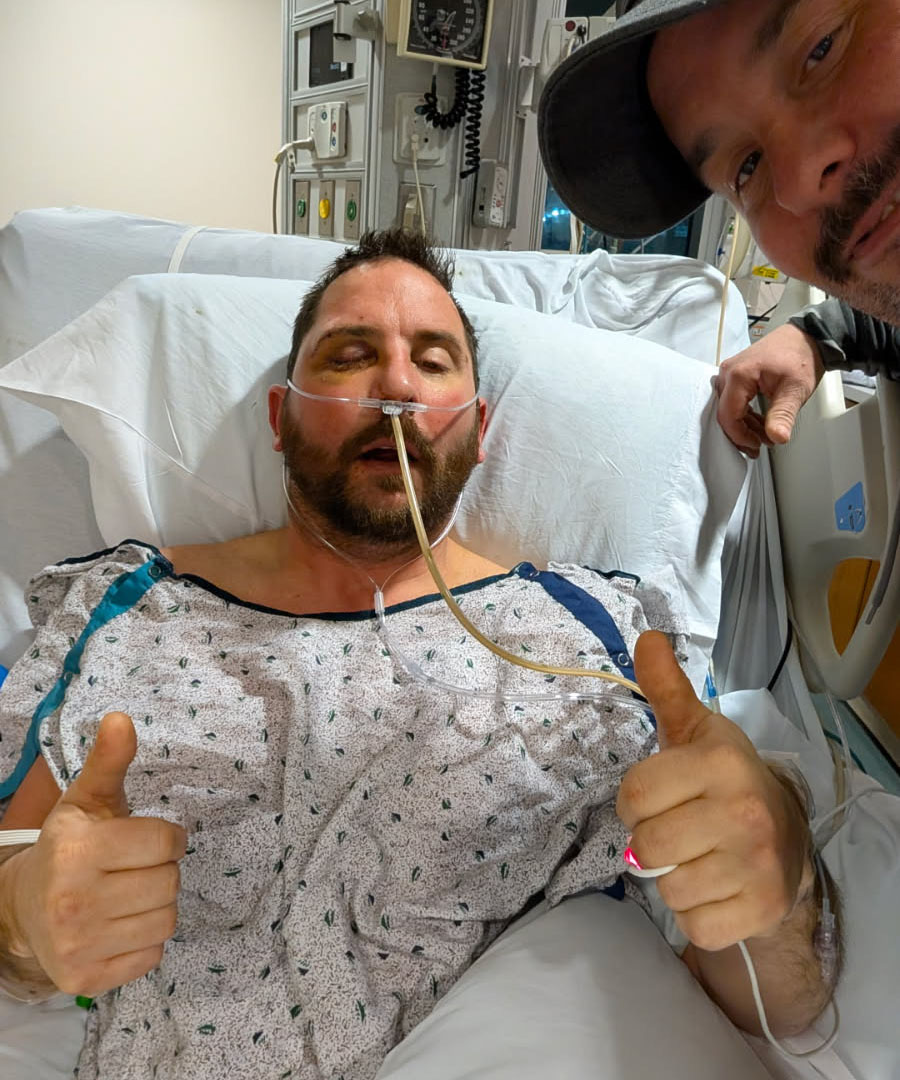
On Sunday, January 18, Dave was flown by helicopter to a Level 1 trauma center in Buffalo. Dale and Amy made the hour-long drive to the hospital. By the time they arrived, Dave was intubated. For the next four days, he was in a medically induced coma.
On January 23, Dave underwent a 3-hour ORIF (Open Reduction and Internal Fixation) surgery to repair multiple fractures on the right side of his face. A brain bleed on the right side did not require surgery. Nurses helped Amy find a nearby hotel room so she could stay close.
Signs of Brain Injury Raise Concerns
Amy was told that Dave’s facial fractures were his only injuries. But when Dave emerged from the coma, she immediately saw signs of a traumatic brain injury.
Dave was trying to eat things that weren’t food. He was packing bags to go home. More odd behavior followed. Again, nurses said it was simply the effect of coming out of sedation.
Because a speech therapist determined Dave could not follow commands well enough, he was not fully assessed or given a swallow test during his stay. He was NPO — nothing by mouth.
A Difficult Discharge Home
On January 27, Amy called the nursing floor for an update. The night before, Dave had been combative, and she was worried. That morning, however, nurses reported he was doing much better. Despite never receiving a speech swallow test, he had been cleared to eat breakfast.
As Amy prepared to visit Dave, the hospital called. Dave was being discharged and she needed to pick him up. It marked the end of what Amy later described as their “horrific” 10-day ICU experience.
Dale, who had returned to Ohio with the rest of the family the morning after the accident, came back to help bring Dave home. Wanting time to prepare their children, who had been staying with her parents since the accident, Amy got a head start on the drive back. Dale and Dave left two hours later.
Amy, whose daily visits to Dave had been restricted to two 2-hour blocks, was glad to be back home with him. But more challenges surfaced immediately.
Life at Home After a Traumatic Brain Injury
In the days following his skiing accident, Dave’s behavior had changed dramatically. He was aggressive, restless, anxious, confused, agitated and impulsive. On January 27, Dave left the hospital with prescription-strength Tylenol.
“He was in severe pain, so much so that he couldn’t sleep,” Amy said. “He was not himself.”
Between the pain and Dave’s erratic behavior, neither of them slept for more than 45 minutes at a time. Five days after returning home, Dave’s face began to swell. Dale took him to a nearby Emergency Department.
Meanwhile, Amy was reaching out to former colleagues for help. All of the Lengyels’ doctors were at MetroHealth. They needed another specialist.
A Turning Point at MetroHealth
On February 2, Dave met James Begley, MD, a brain injury specialist in the Department of Physical Medicine and Rehabilitation, along with fellow Dilshad Hunain Al Arabia, MD.
The team prescribed medications for brain injury pain and other physical and behavioral symptoms caused by Dave’s traumatic brain injury. Dr. Begley also ordered speech, occupational and physical therapy.
“I truly cried when Dr. Begley started talking about the different meds they’d try,” Amy said.
Within a few days, the results were evident. “They were life-changing,” she said. “I was amazed at how the right doses and combinations of medications saved us.”
The following week, Dave saw an Ear, Nose and Throat specialist and began a twice-weekly therapy schedule. A swallow test administered by speech therapist Jen Bernstein revealed that food was entering Dave’s airway when he ate. Although the discovery was concerning, it finally provided answers and a path forward.
“The relief was tremendous,” Amy said. “I know these people and I know what they do. This was exactly where he needed to be.”
For 11 weeks, Dave worked with speech therapist Doreen Jones, occupational therapists Megan Anderson and Mary Harley, and physical therapists Rachel Reilly and Nick Pederzolli.
As his recovery progressed, the team cleared him to begin jogging again. Dave, who had completed two half-marathons with Amy, returned to running in the neighborhood. At home, his behavioral challenges gradually improved. In February, Dave attended the school Daddy Daughter Dance with his daughters.
By mid-March, just days after his 46th birthday, he was running 5 miles. On March 27, he completed Drivers Rehab.
“Occupational therapy prepared him for it,” Amy said. “I was extremely hesitant and scared for him to do the driving test, but he nailed it.”
On April 2, Amy brought lunch for the entire therapy staff on Dave’s final day of treatment. “It was very emotional,” she said. “We were there for hours. He cried. I cried.”
Weeks earlier, that same staff had comforted Dave after the sudden loss of his father. While driving back to Utah after helping Amy in Ohio, Dave’s parents were involved in a multi-vehicle highway accident. His father did not survive.
Returning to Everyday Life
With therapy complete, Dave now focuses on maintaining his endurance by doing 100 pushups and 100 sit-ups each morning. Running is temporarily on hold.
He has returned to his full-time weekday driving schedule with UPS, though he no longer works the 20 hours of weekly overtime he once did. Dave attends his oldest daughter’s basketball and soccer games and enjoys playing soccer and basketball with all three girls. He mows the lawn and takes part in everyday family life. Loud noises no longer bother him, though he continues to work on improving his short-term memory.
“He is so remarkable,” Amy said. “He is so excited to be where he’s at today.”
Amy has never been a fan of skiing, and the thought of Dave and the girls returning to the slopes is difficult for her. But skiing remains important to Dave.
“That’s how he and his brother were raised, skiing from the time they could walk.”
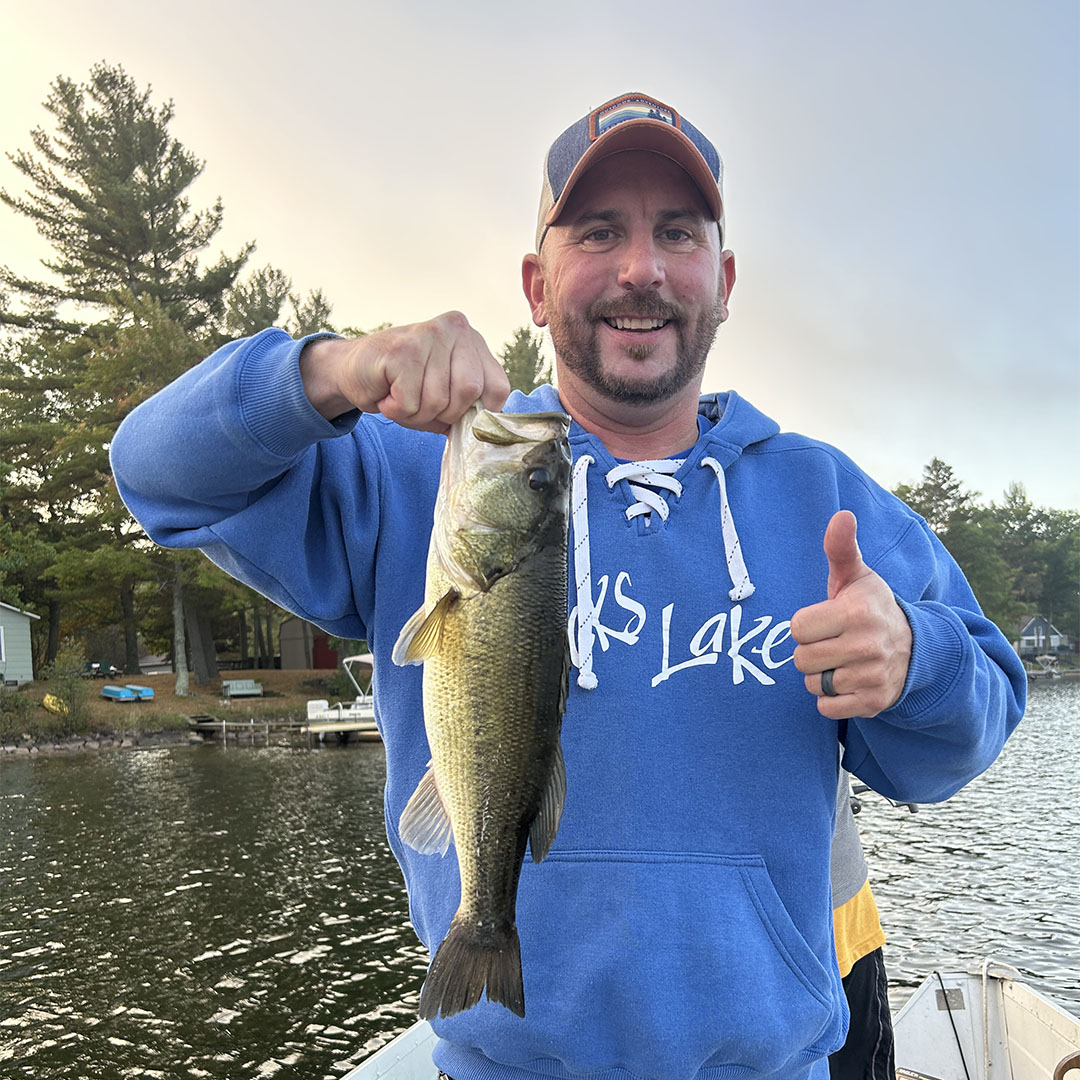
For now, the family is focused on summer traditions — their annual trip to Florida, fishing, and camping in Michigan. After months of navigating a world that no longer felt familiar, life is slowly returning to normal. Throughout Dave’s recovery, the family relied on a strong support system that included the staff at MetroHealth Rehabilitation Institute.
“These are friends for life,” Amy said. “This kind of expertise does not exist everywhere. We are so lucky to have this in Cleveland.”
Amy credits MetroHealth’s brain injury rehabilitation team with helping Dave reclaim his life.
“They poured their heart and soul into Dave’s recovery and truly were invested in all his small successes,” she said. “They’re the reason we are where we are today.”
MetroHealth Rehabilitation Institute
Leaders in rehabilitation, research, and education to improve care for the most complex injuries and illnesses. Visit our website for more information about the MetroHealth Rehabilitation Institute or call:
- Outpatient appointments for adults and children, call 216-778-4414
- Inpatient services or admission for adults and children 13 yrs+, call 216-778-4167