
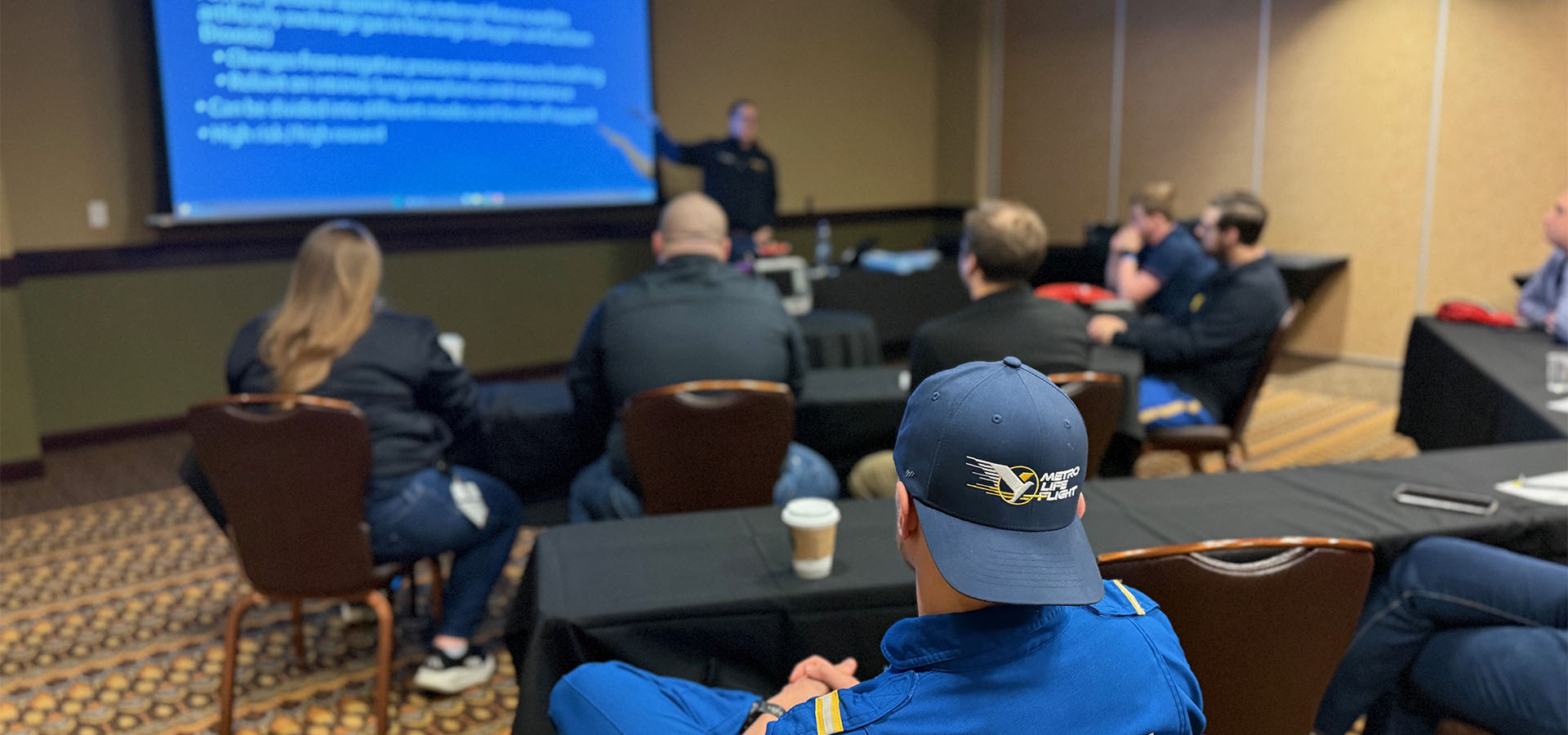
Learn how MetroHealth’s peer support teams support first responders after high-acuity calls and how you can help a foundation of resilience.
FieldBrief Issue 2
Published June 11, 2026
First Responders and Mental Wellbeing: Coping After High-Acuity Calls
MetroHealth is expanding peer support resources to help first responders navigate the emotional impact of high-acuity calls.
In April, Cleveland fire and EMS crews responded to a house fire involving six children. Four children were trapped inside and critically injured.
“The emotional impact that this had on medics was huge,” says MetroHealth EMS Coordinator David Sirl, EMT-P. “They did their job so well that day. These kids survived because of them and because of the efforts of the fire department.”
The children were transported to MetroHealth for treatment. Today, all four have been discharged and are continuing their recovery.
No one fully realizes the gravity of a situation while doing the job, Sirl says. Sometimes it hits while riding back to the station. Sometimes it’s while cleaning the truck. Sometimes it’s days later.
The emotional effects of high-acuity calls don’t always appear immediately. Without support, cumulative stress can take a serious toll.
Since the beginning of this year, six Ohio firefighters have died by suicide.
Why Peer Support Matters
“Burns can be catastrophic,” Sirl says.
Days after that April house fire, the Westshore Critical Incident Response Service in collaboration with the Cleveland EMS Peer Support Team met with everyone who responded to the call.
The first responders on the scene shared their experiences. Everyone stayed for several hours, grateful for the opportunity to talk openly in a safe environment.
Research and experience show that agencies without peer support programs often see higher rates of:
- Burnout
- Depression and anxiety
- Sick time
- Staff turnover
- Suicide
Building a Foundation of Resilience
While peer support is critical after a difficult call, resilience starts long before a crisis occurs.
“During the first 24 hours after a high-acuity call, numbness becomes a force field,” Sirl says. “The full impact often sets in during the following days.”
The same week as the house fire, a Valley Forge High School senior in Parma died by suicide at school. Sirl knew many of the first responders who handled that call.
The fire chief immediately brought everyone back to the station, checked in with each responder and made sure crews had an opportunity to talk. Personnel who needed time away from work were given that option, and supervisors continued checking on responders throughout the shift.
“The gravity sets in within that first 24 to 72 hours,” Sirl says.
That’s why simple actions matter.
“That’s where it’s clutch to have these different practices in place, which starts with just checking in,” Sirl says.
Healthy habits can also help first responders better manage stress when difficult incidents occur:
- Eating nutritious foods
- Exercising regularly
- Enjoying healthy hobbies
- Practicing mindfulness
- Getting six to eight hours of sleep
- Monitoring alcohol consumption
Without that foundation, navigating the aftermath of a high-acuity call can be difficult to manage alone.
“We need to have the conversation,” Sirl says. “It’s going to be hard. But we need to set the table. We’re here to support you. We’re here to support each other.”
More Peer Support Teams Are Coming
Emergency Medical Services at MetroHealth is currently working to build an internal peer support team, which will be operational by the end of the year.
No one can predict how a high-acuity call will affect them. That’s why MetroHealth is expanding peer support resources and training opportunities across the region. Having a safe place to talk with colleagues who understand the job can make all the difference.
Get Peer Support Now
The Westshore CIRS (Critical Incident Response Service) is available to assist and support first responders after a high-acuity call. Call 440-333-1237.
To claim EMS Continuing Education for this edition of FieldBrief, please visit metrohealth.org/fieldbrief and complete a brief survey. The survey link is located below the list of articles.
MetroHealth Medical Center is a State of Ohio Approved Continuing Education Site #1202
Key Takeaways
- Peer support teams help first responders process high-acuity calls.
- Since January, six Ohio firefighters have died by suicide.
- Healthy habits can help build resilience before difficult calls occur.
- MetroHealth is training additional peer support team leaders across the region.