
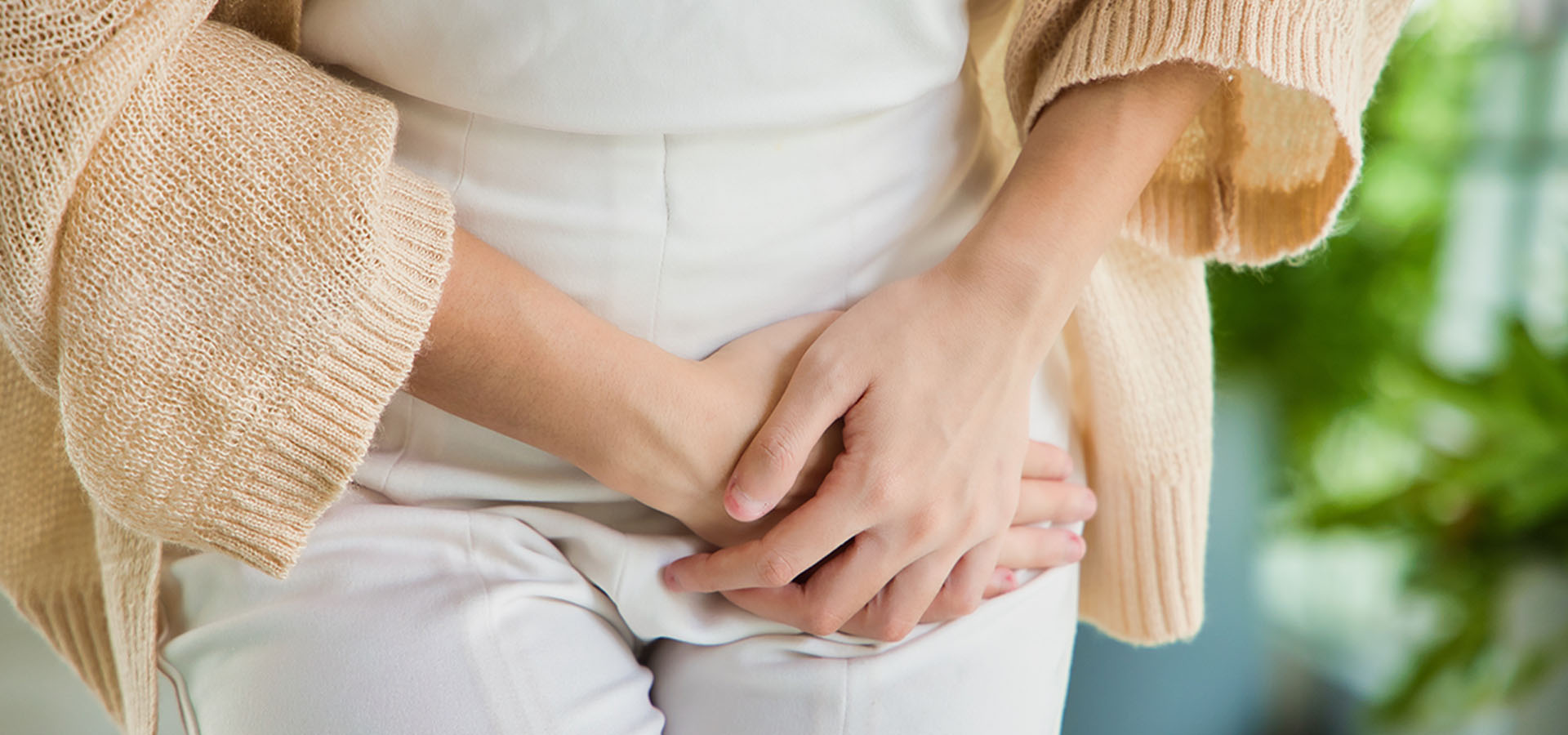
No matter their age or the cause, today’s treatments mean women don’t have to live with a leaking bladder.
Published April 15, 2026
Contributed by: Jeffrey Mangel, MD / Director, Division of Urogynecology, Pelvic Reconstructive Surgery
Bladder Leaks Happen in Women at Any Age (Here’s What to Do)
Many people believe bladder leaks are just a normal part of getting older.
Jeffrey Mangel, MD and Director of the Division of Urogynecology helps clear up that myth.
While bladder leaks are common, they don’t happen to every woman — and they’re not something you have to accept or live with.
Bladder leaks, also called urinary incontinence, can happen at any age. They’re often linked to things like childbirth, menopause, weight changes or certain health conditions.
The good news? There are ways to manage bladder leaks and often improve them.
Types of Bladder Leaks
There are two main types:
- Urge incontinence.
This happens when you feel a sudden, strong need to urinate and may not make it to the bathroom in time. You might also feel like you need to go often, even when your bladder isn’t full. This is sometimes called an “overactive bladder.” - Stress incontinence.
Leaks happen when pressure is placed on the bladder. This can occur when you laugh, cough, sneeze, exercise or lift something heavy.
While this article focuses on women, men can also have bladder leaks, especially men over 50 with an enlarged prostate. Men sometimes wait too long to get help, so encourage them to talk to a healthcare provider.
Why Bladder Leaks Happen
Bladder leaks often occur when the muscles that support the bladder become weak or damaged. Common causes include:
- Childbirth, which can weaken pelvic floor muscles
- Aging and menopause, which affect muscles and hormones
- Extra weight, which adds pressure to the bladder
- Chronic coughing or heavy lifting, which strains pelvic muscles
- Caffeine or certain medications, which can irritate the bladder
- Constipation or urinary infections, which can temporarily affect control
- Nerve damage, which affects bladder signals
- Surgery, which can affect pelvic floor muscles
Often, more than one factor plays a role.
When to Talk to Your Doctor
Bladder leaks can affect more than just convenience. They can affect sleep, confidence and daily activities. Talk to your doctor if:
- Leaks happen often
- You feel sudden, strong urges
- You wake up many times at night to urinate
- Symptoms stop you from exercising or enjoying daily life
- You notice pain, burning or blood in your urine
Getting help early can make a big difference.
The MetroHealth Advantage
At the MetroHealth Center for Advanced Gynecology, we listen and care about your symptoms. You don’t have to live with discomfort.
Urogynecologists help women with bladder and pelvic problems like pain, urine leakage, urgency, or pressure. These issues are common, and you are not alone.
There is no need to feel embarrassed—MetroHealth is here to help you feel better.
First, We Find the Cause
Your provider will ask about your symptoms and health history. You’ll have a physical exam. Some people may need tests such as:
- Urine test – checks for infection or other problems
- Ultrasound – looks at your bladder and kidneys
- Bladder stress test – checks for leaks during coughing or movement
- Cystoscopy – uses a small camera to look inside the bladder
Then, We Create a Treatment Plan Just for You
Many people start with simple treatments, such as:
- Pelvic floor exercises (Kegels) to strengthen muscles
- Bladder training to improve control
- Lifestyle changes, like cutting back on caffeine or managing weight
If needed, your provider may suggest:
- Medication
- Pelvic floor physical therapy
- Minimally invasive procedures for longer-lasting relief
The goal is to find what works best for you.
Bladder leaks are common — but they’re also treatable.
If something doesn’t feel right, trust yourself and speak up. With the right care, you can take control of your symptoms and get back to living your life comfortably.
You don’t have to live with urinary incontinence. The experts at MetroHealth’s Center for Advanced Gynecology are here to help you feel more comfortable and in control. Call 216-778-4444 to schedule an appointment at one of our convenient Northeast Ohio locations or find a provider from our directory.
Your Questions Answered
Q. How can I lower my risk of bladder leaks?
A. Doing pelvic floor exercises every day, keeping a healthy weight and managing constipation can help support bladder health.
Q. Do I always need medication?
A. No. Many people improve with exercises, behavior changes or physical therapy.
Q. Who gets bladder leaks?
A. Bladder leaks are common in women, especially after pregnancy or during menopause. They can happen at any age to anyone, including men.