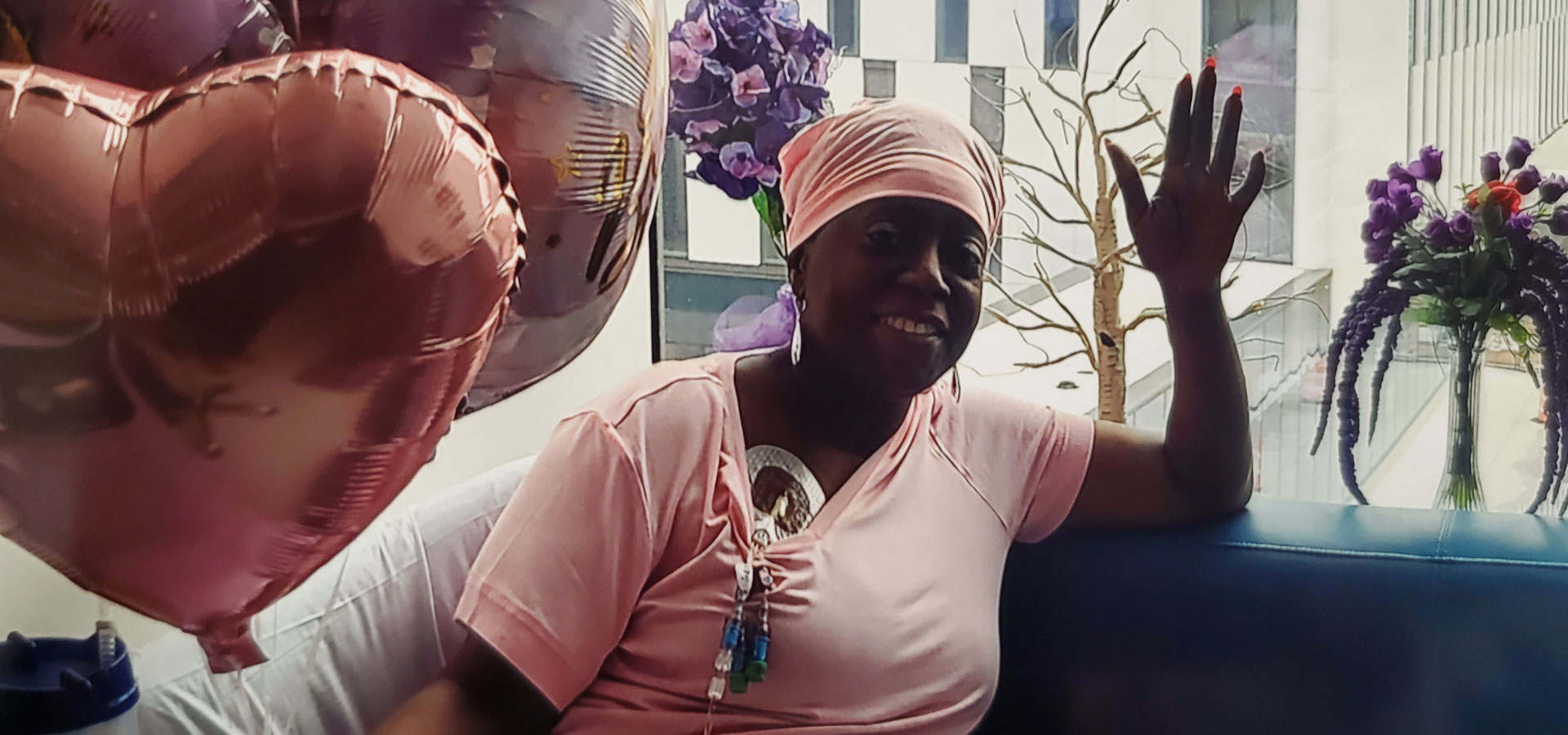
After years of chronic illness, Keesha Mcmillian finds hope and healing through a stem cell transplant for multiple myeloma.
Published April 13, 2026
Keesha Mcmillian’s Path to Healing Through a Stem Cell Transplant
A Lifetime of Health Challenges
Growing Up in and Out of Hospitals
Keesha Mcmillian is no stranger to hospitals. From an early age, she lived with severe asthma and gastrointestinal problems, learning early what it meant to navigate chronic illness and medical care.
Those early experiences would shape her resilience—but they were only the beginning.
When Everything Changed During College
A Sudden Health Crisis
The first time Keesha’s health took a drastic turn was in 1985, during her senior year at Cheyney University in Philadelphia. While home for winter break, she went to the movies with a friend. The pain she felt was so intense that she left before the movie even started.
By the next morning, the situation had escalated dramatically.
Paralysis and a Delayed Diagnosis
When Keesha woke up, she couldn’t move her legs. By the end of the day, she was hospitalized and on a respirator. Two weeks passed before doctors identified the cause: Guillain Barré syndrome, a rare neurological condition in which the immune system attacks the nerves.
For months, Keesha was paralyzed from the neck down.
Beginning the Long Road Back
When Keesha woke up, she couldn’t move her legs. By the end of the day, she was hospitalized and on a respirator. Two weeks passed before doctors identified the cause: Guillain Barré syndrome, a rare neurological condition in which the immune system attacks the nerves.
For months, Keesha was paralyzed from the neck down.
A Career Built on Service and Advocacy
Nearly 40 Years of Mental Health Work
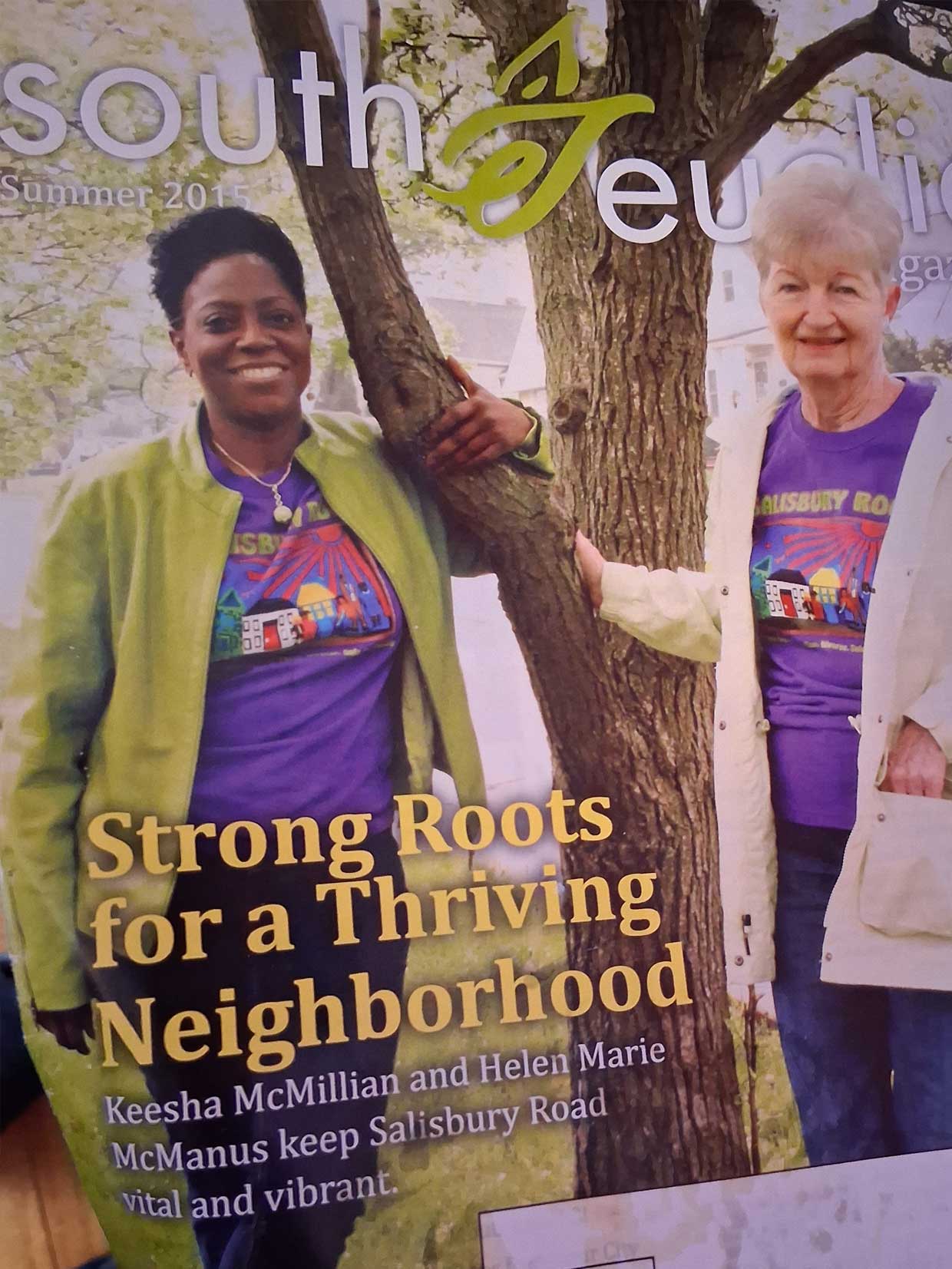
Keesha went on to work as a mental health therapist at various nonprofit organizations for nearly four decades. With a focus on women and children, she supported survivors of rape, sexual abuse and human trafficking.
Outside of her clinical work, she found creative and cultural outlets as well.
Community, Creativity and Faith
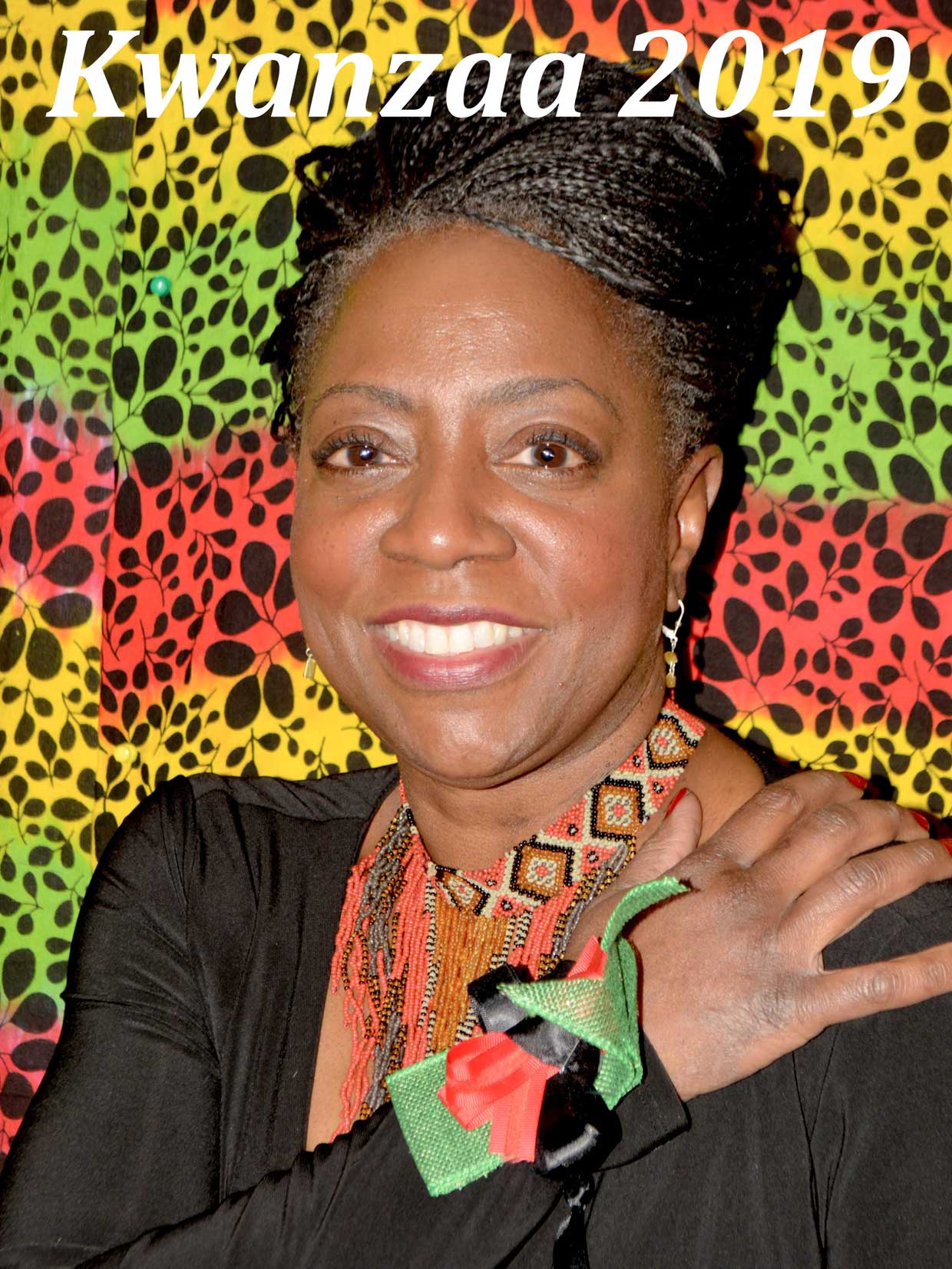
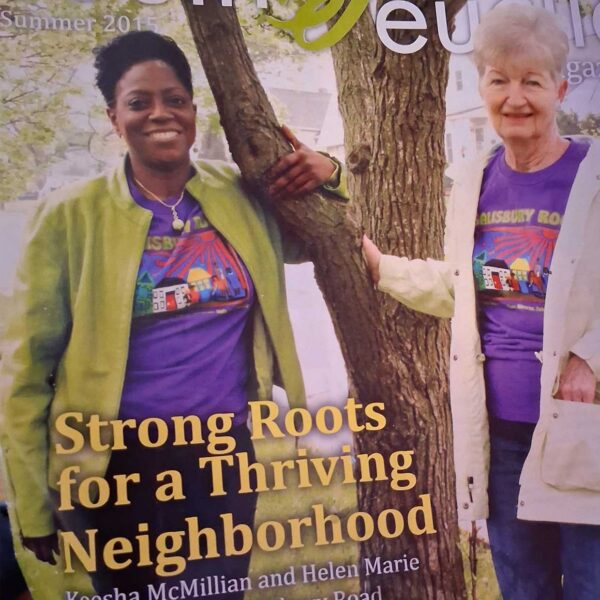
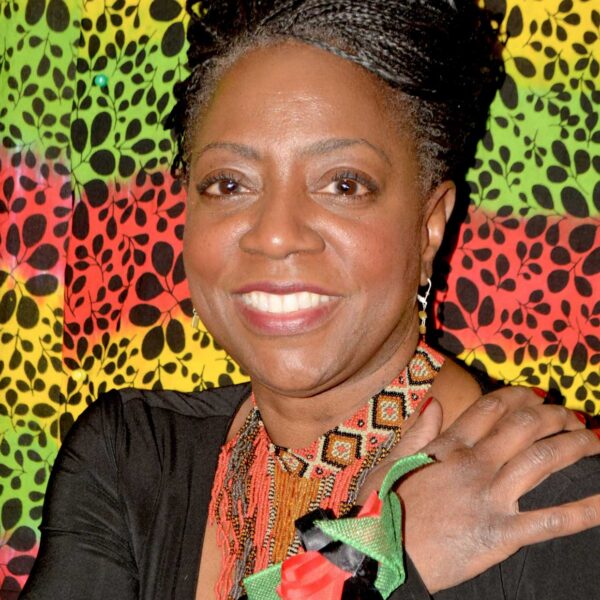
Keesha wrote several books and, with her family, hosted an annual Kwanzaa celebration that became a meaningful tradition. Even while managing her health, she remained deeply committed to service and community.

New Symptoms with No Clear Answers
A Crohn’s Disease Diagnosis
Despite her resilience, Keesha’s health remained unstable. In 2015, she was diagnosed with Crohn’s disease, a chronic inflammatory bowel condition that added another layer to her medical complexity.
At one point, she was admitted to the hospital for a colonoscopy and a series of tests over three days—yet no clear answers emerged.
Pain, Exhaustion and Fear
Keesha wasn’t sleeping. Excruciating pain made it difficult to get out of bed. She returned to the hospital again, this time with dangerously low sodium levels and high blood pressure, but still no explanation for the pain affecting her entire body.
“I didn’t know what was wrong… if I was losing my mind,” Keesha said.
A deeply religious woman, she began to wonder whether she was under spiritual attack—or experiencing a resurgence of Guillain Barré syndrome.
An Unexpected Turning Point
A Dental Appointment Raises a Red Flag
One day, Keesha arrived for a routine dental appointment. But her blood pressure was so high that staff referred her to a nurse practitioner instead of proceeding with the cleaning.
The visit changed everything.
A Crucial Question About Kidney Health
The nurse practitioner asked if Keesha’s kidney function had been checked recently. It hadn’t. She advised Keesha to see a kidney specialist at MetroHealth as soon as possible.
Although Keesha lived on the East side, she had limited experience with MetroHealth, having only seen a gastrointestinal specialist there years earlier.
Finding Answers at MetroHealth
A Rapid Series of Referrals
Within days, Keesha met virtually with Georges Saab, MD, Division Director of Nephrology. He ordered blood tests and referred her to both a rheumatologist and an oncologist, suspecting that lupus—or cancer—could be the cause of her symptoms.
A Diagnosis with Personal Meaning
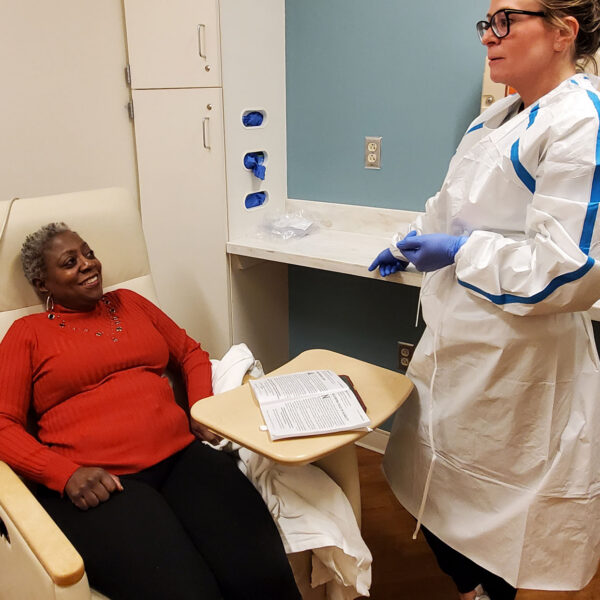
When Keesha met hematologist/oncologist Tonjeh Bah, MD, she came prepared with a handwritten list of every symptom she was experiencing. Dr. Bah listened carefully, and Keesha underwent further testing.
On November 6, 2023, she received her diagnosis: multiple myeloma.
While she had heard of the cancer, she knew it all too personally. Her maternal grandmother and aunt had both died from the disease, and her mother, Patricia, passed away in 2020 after battling stomach and brain cancer.
Beginning the Stem Cell Transplant Journey
A Path Toward Treatment
Dr. Bah connected Keesha with MetroHealth’s Blood and Marrow Transplant Program, which had completed its first transplant just nine months earlier.
After several weeks of chemotherapy, Keesha learned on January 9, 2024, that she was eligible for a stem cell transplant.
Navigating Care and Financial Support
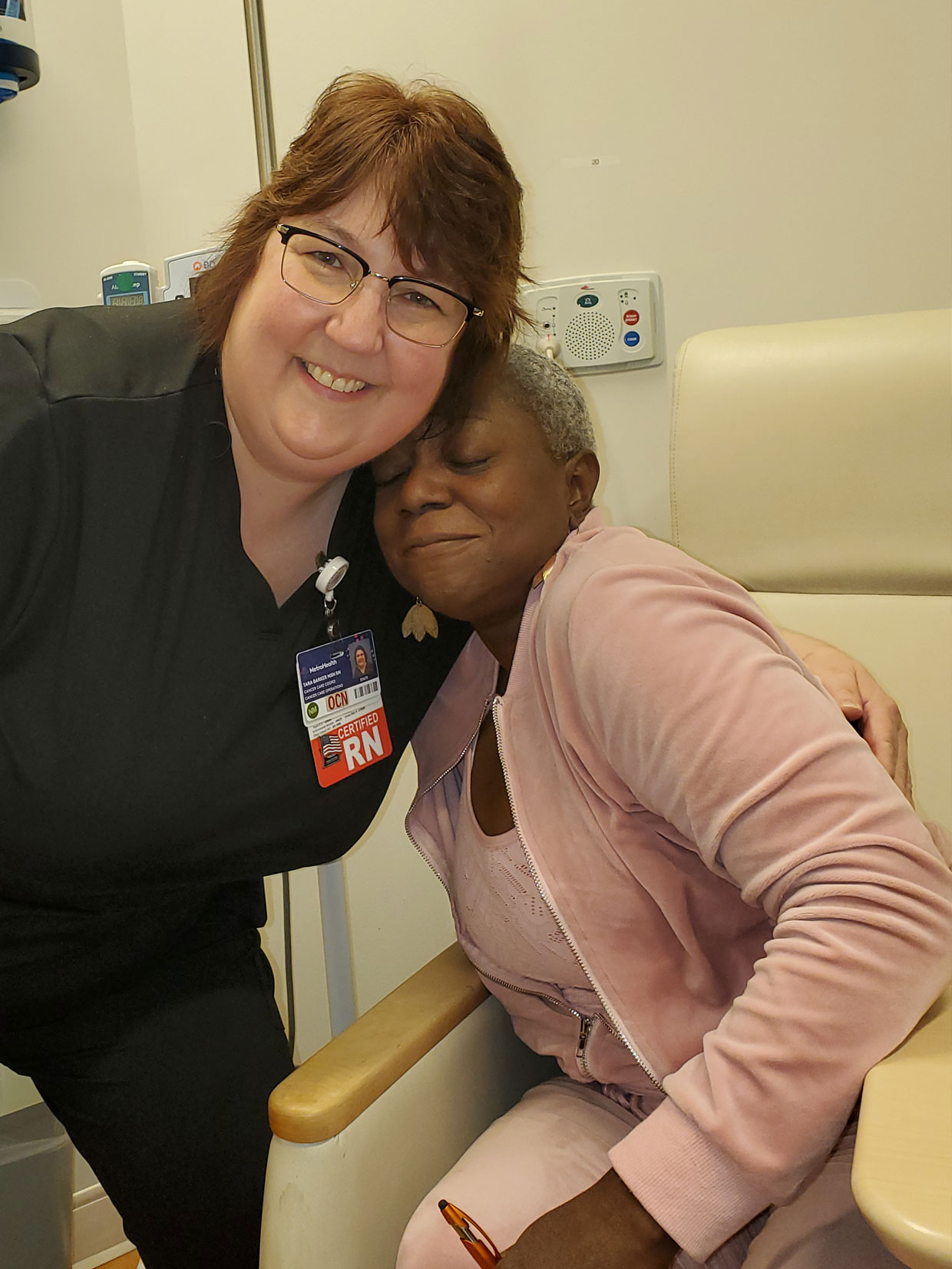
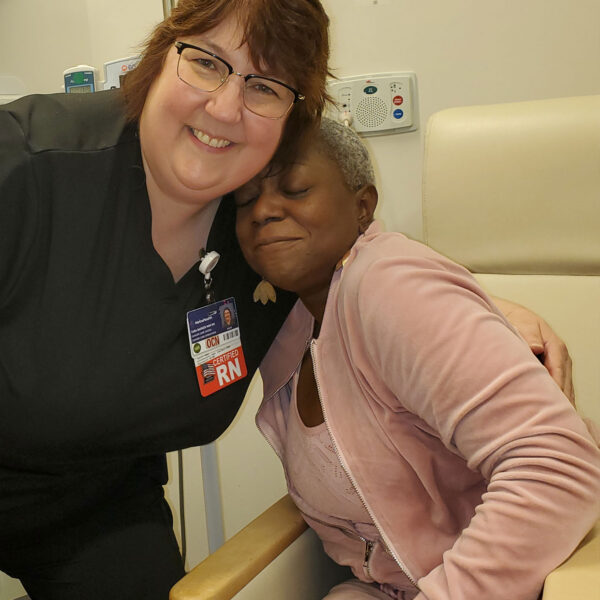
From that point forward, Tara Barker, RN, Transplant Care Coordinator, became an essential guide—helping Keesha navigate Medicaid applications, connect with counselors and locate grant funding to help cover transplant costs.
Barker’s first meeting with Keesha and her sister lasted more than an hour as she walked them through the transplant process in detail.
“Tara was extremely helpful, authentic, kind, patient and concerned about me and my support system,” Keesha said.
Despite insurance coverage not beginning until after the transplant, MetroHealth did not delay her treatment.
Undergoing the Stem Cell Transplant
Apheresis and Isolation
Following additional chemotherapy, Keesha underwent apheresis, a procedure that removes white blood cells from the blood before returning it to the body.
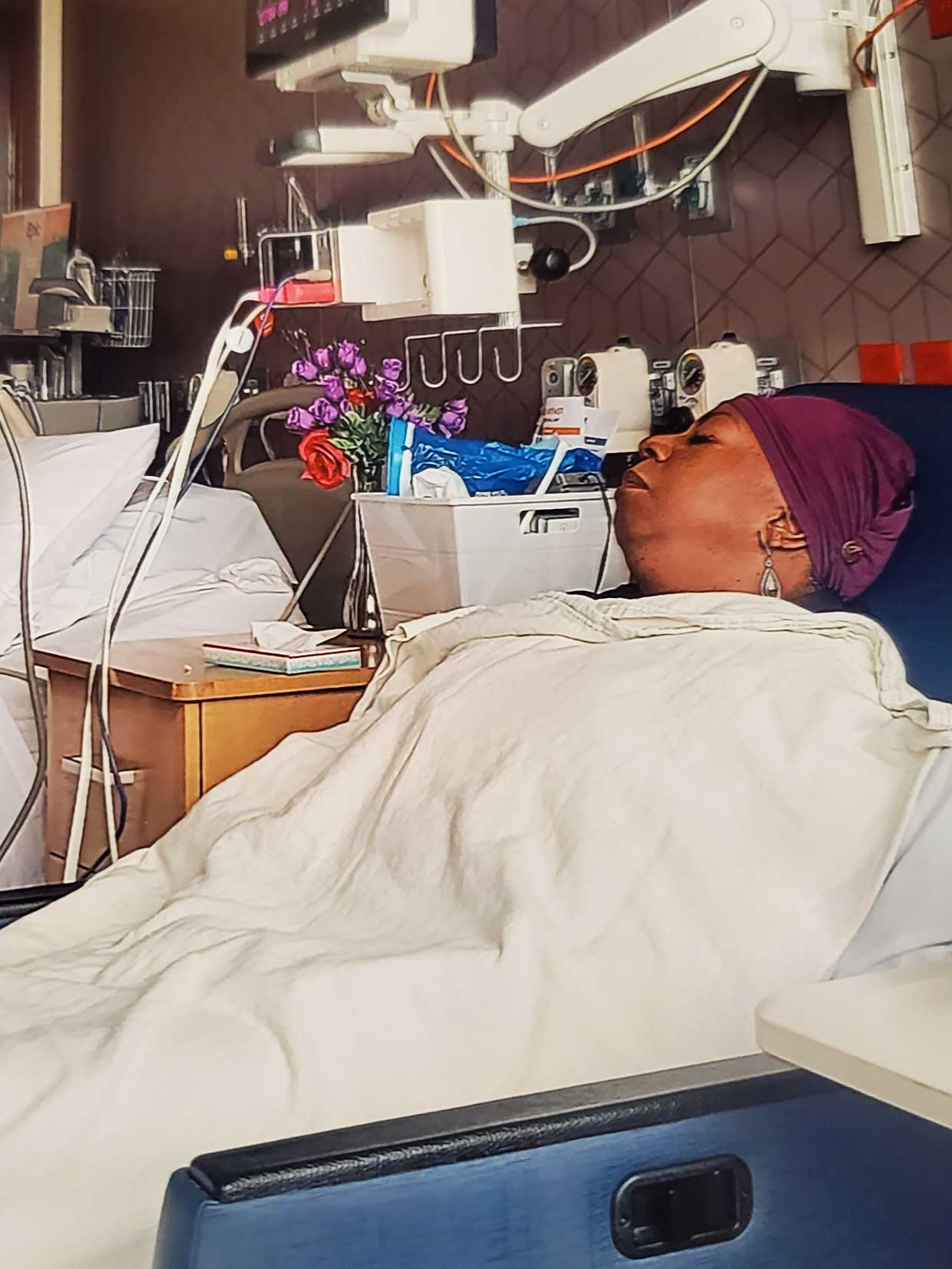
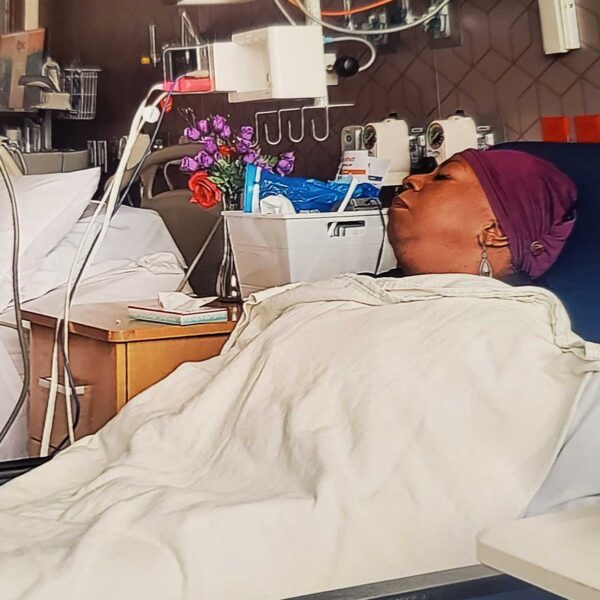
For two days in a row, she spent five hours connected to the machine under close nursing supervision. Afterward, she spent a month in isolation on the transplant unit—passing the time by decorating her room.
Transplant Day and a Milestone Birthday
On March 27, 2024, Keesha received her stem cell transplant, surrounded by family members and a dozen staff members. The following week, she celebrated her 60th birthday.
Recovery, Remission and Life Forward
Returning Home and Ringing the Bell
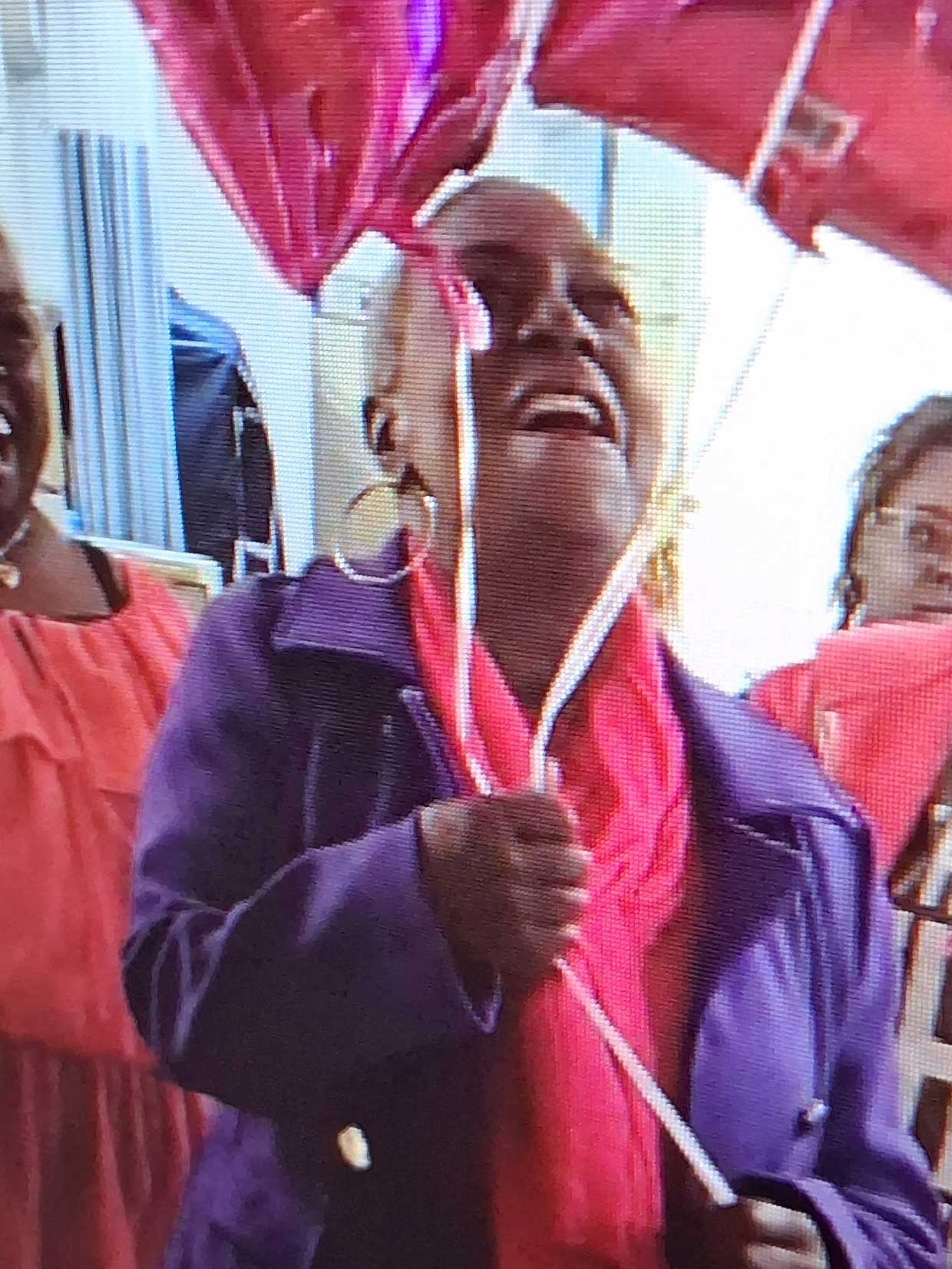
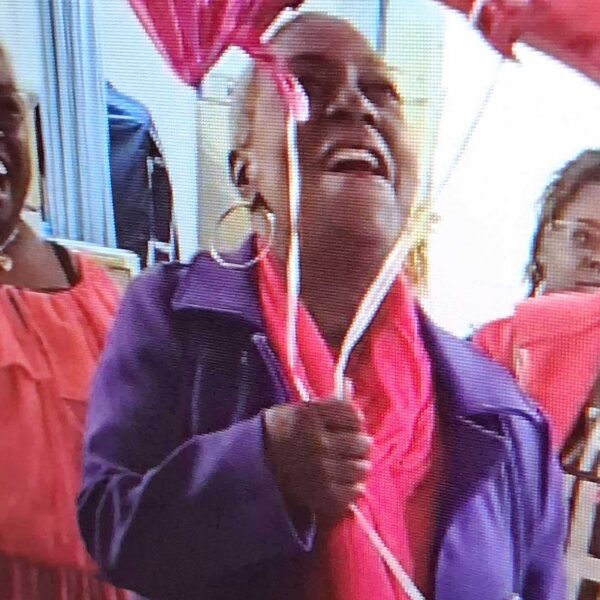
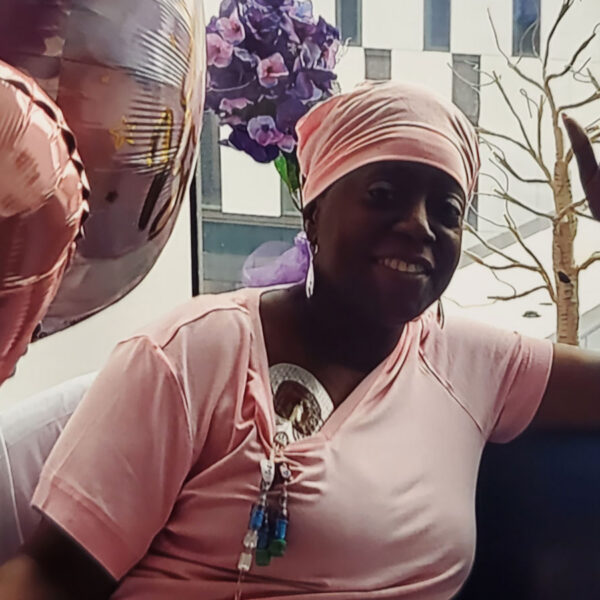
After recovering at her sister’s house, Keesha eventually returned to her own home. Six months after her transplant, she rang the bell at the Cancer Center—her cancer was in remission.
Living in Remission
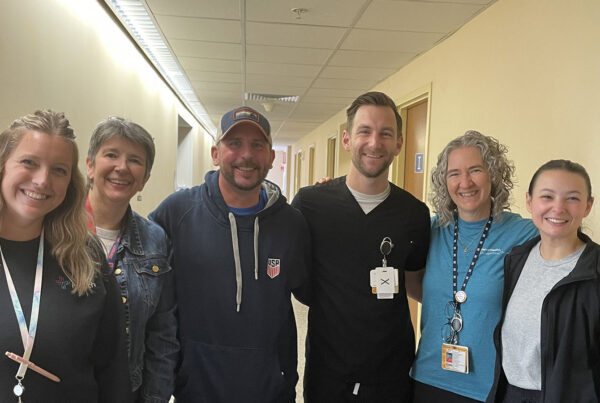
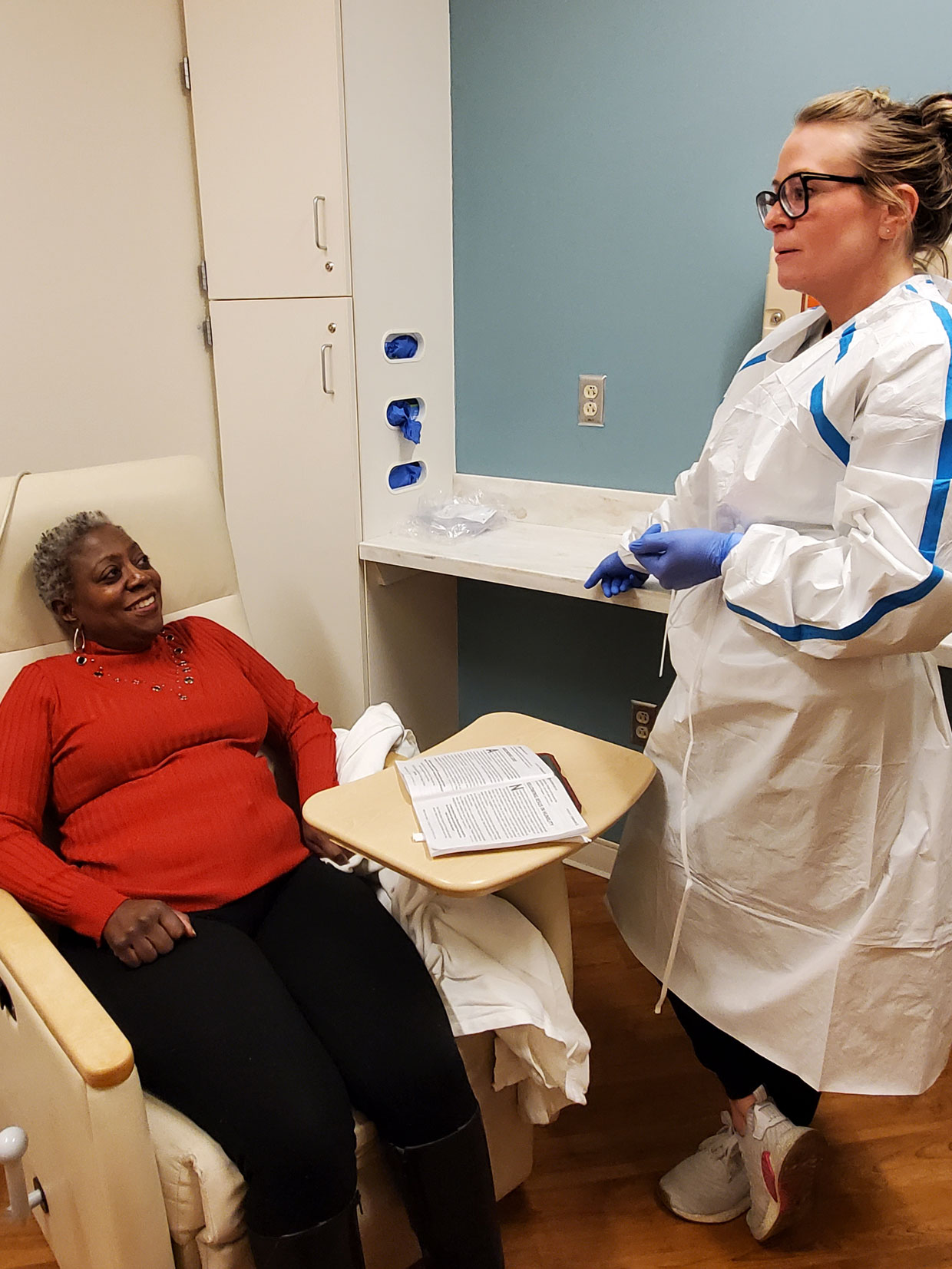
Today, Keesha returns to MetroHealth every two weeks for maintenance chemotherapy. These visits reconnect her with nurses like Meredith Shayeb, RN, and sometimes Tara Barker stops by as well.
“I’m in remission, but what does that look like?” Keesha said. “Sometimes I have days when I stay home and do nothing. Other days I can go.”
Gratitude for a Team Based Approach
When Dr. Bah relocated out of state, Tamila L. Kindwall Keller, DO, Medical Director of the transplant program, assumed Keesha’s care.
“The stem cell team has been amazing,” Keesha said. “So many folks were working on me. I’m so grateful to MetroHealth for the care I’ve gotten.”
The MetroHealth Cancer Institute team sets a new standard of cancer care in northeast Ohio. If you are diagnosed with blood cancer, our team will work together to discuss your cancer and how to move forward with treatment. Call 216-778-7328 to schedule an appointment.