“My message is simple,” she says. “You can change your life. It’s not easy, but it’s worth it.”
Published February 9, 2026
How Jennifer Changed Her Health and Her Life
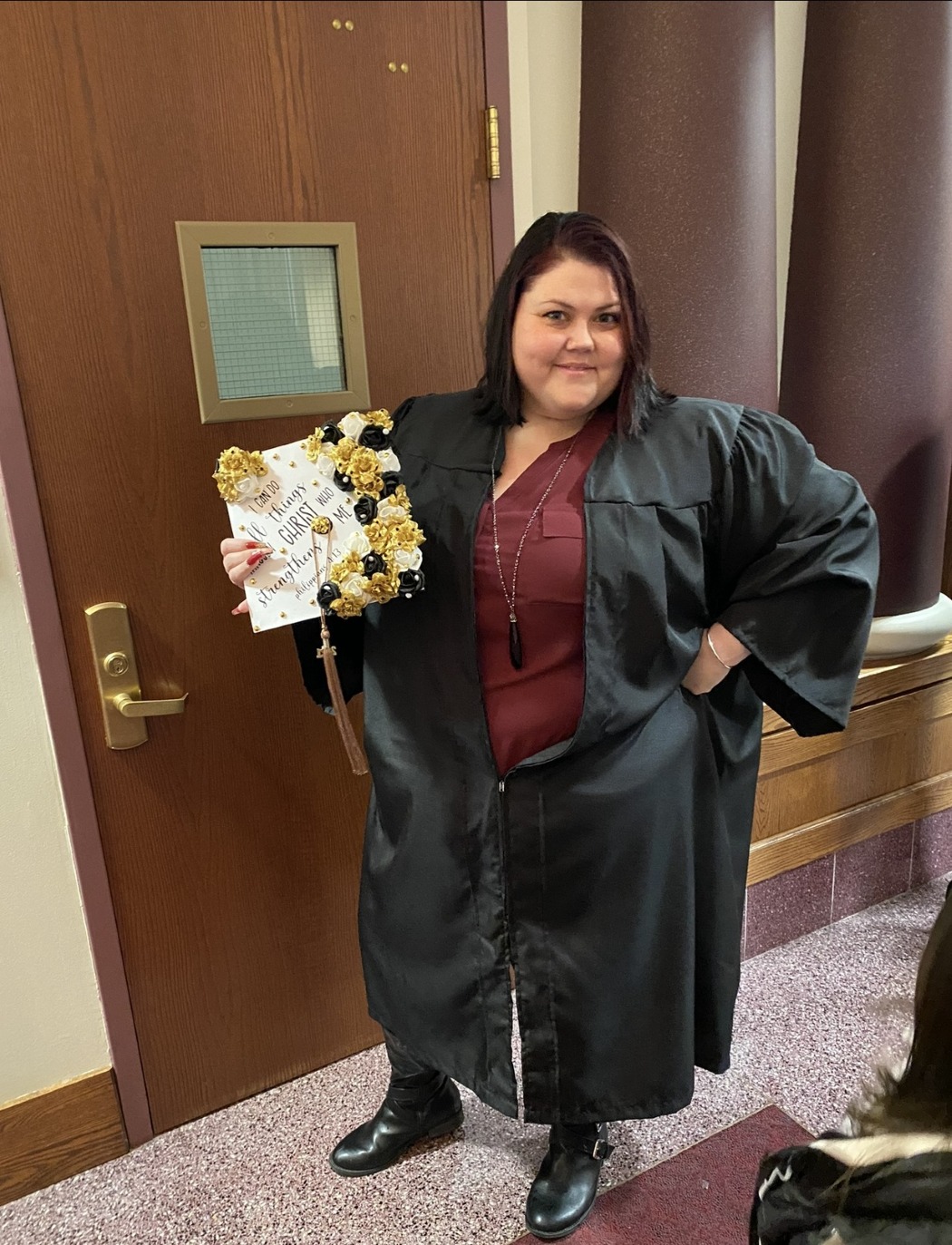
For most of her life, from the time she was young, Jennifer Perez struggled with her weight. By age 20, she weighed more than 300 pounds and had health problems like high blood pressure and acid reflux.
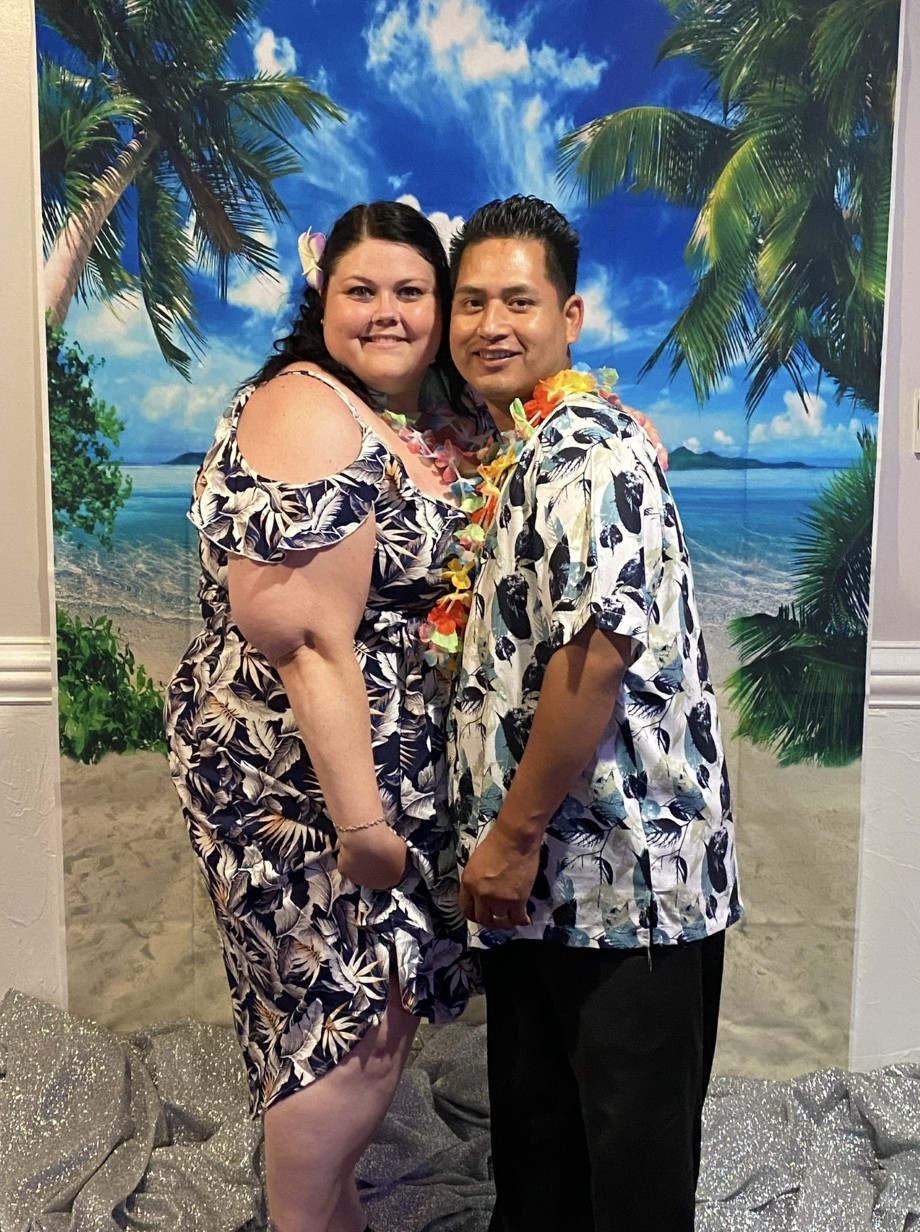
In 2013, five years after they married, Jennifer and her husband, Alvaro welcomed their first baby. She had undergone successful fertility treatment for a hormonal imbalance. Her pregnancy was exciting, but her weight climbed to more than 400 pounds. She was only 25, and her health was getting harder to manage every year.
In 2016, Jennifer began working at MetroHealth. Her mother and sister had both had gastric bypass surgery there and were doing well at MetroHealth’s Weight Loss Surgery and Weight Management Center. Their success planted a seed in her mind, but she wasn’t ready yet.
By 2022, her health took a sharp turn. She was diagnosed with sleep apnea and had to sleep with a CPAP machine and mask every night. She also developed high cholesterol, prediabetes, and severe back pain.
“It was one thing after another,” Jennifer said. “I kept thinking, I have kids. I have to make a change. This is life or death.”

Deciding on Weight-Loss Surgery
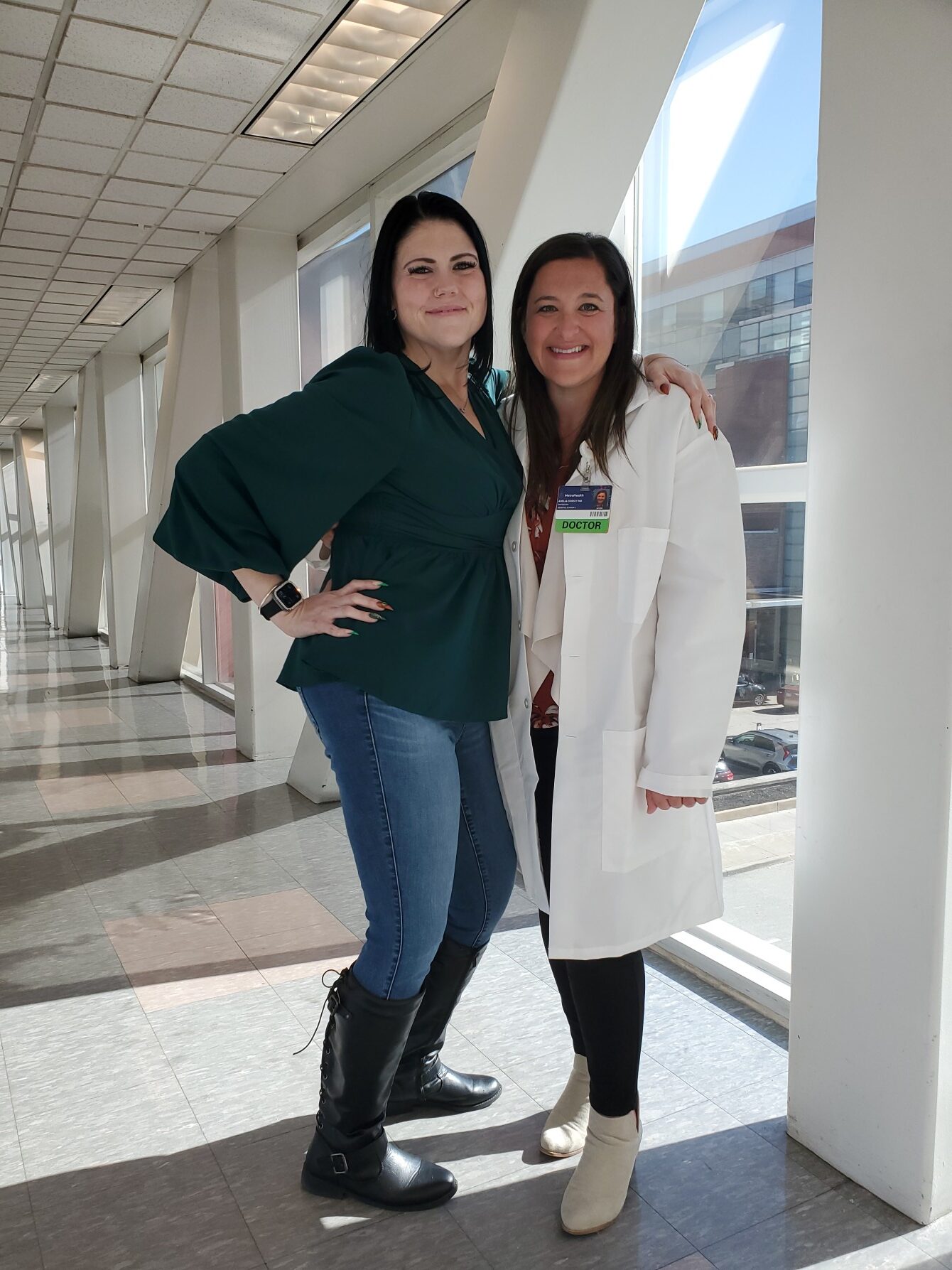
In February 2023, Jennifer was 35 years old and weighed 350 pounds. Her BMI was 53.3, putting her in the “super morbidly obese” category. During her consultation, surgeon Amelia Dorsey, MD, admired Jennifer’s honesty and motivation. “She was very open about her goals and the challenges she faced,” Dr. Dorsey said. “I knew she was ready to do the hard work needed for surgery and long‑term success.”
Dr. Dorsey recommended gastric bypass to help Jennifer lose more weight and improve her medical problems. Jennifer then began working with the MetroHealth Weight Loss Surgery & Weight Management Center. Her team included nurse practitioners, a physician assistant, a dietitian, and a psychologist. Together, they taught her how to prepare for surgery and build healthier habits.
Jennifer was determined. She lost 50 pounds in seven months and lowered her BMI enough to qualify. She was proud—and ready.
Surgery Day Brings a Change of Plans
On August 3, 2023, Jennifer went in for her gastric bypass. But once Dr. Dorsey started the procedure, she discovered that Jennifer’s liver was too enlarged and fatty to safely move forward. For Jennifer’s safety, she changed plans and performed a gastric sleeve instead.
Jennifer trusted her team completely. Even though it wasn’t the surgery she expected, she knew Dr. Dorsey was doing what was safest for her.
Transformation After Surgery
In the months that followed, Jennifer’s dedication paid off. She followed her new eating plan, worked with a personal trainer, and stayed active. Her body started to change quickly. Her bra size went from a DD to a B. Her feet shrank two shoe sizes. Her sleep apnea disappeared, and she no longer needed the CPAP machine. She even wore high heels again—something she hadn’t done in years.
Most exciting, she lost nearly half her body weight, reaching about 165 pounds with a BMI of 28.3. But one problem remained: the large amount of extra skin on her stomach, called a panniculus. It hung down like an apron, caused irritation, and made movement difficult.
She wanted to feel as good about herself on the outside as she did on the inside.
Planning Skin-Removal Surgery
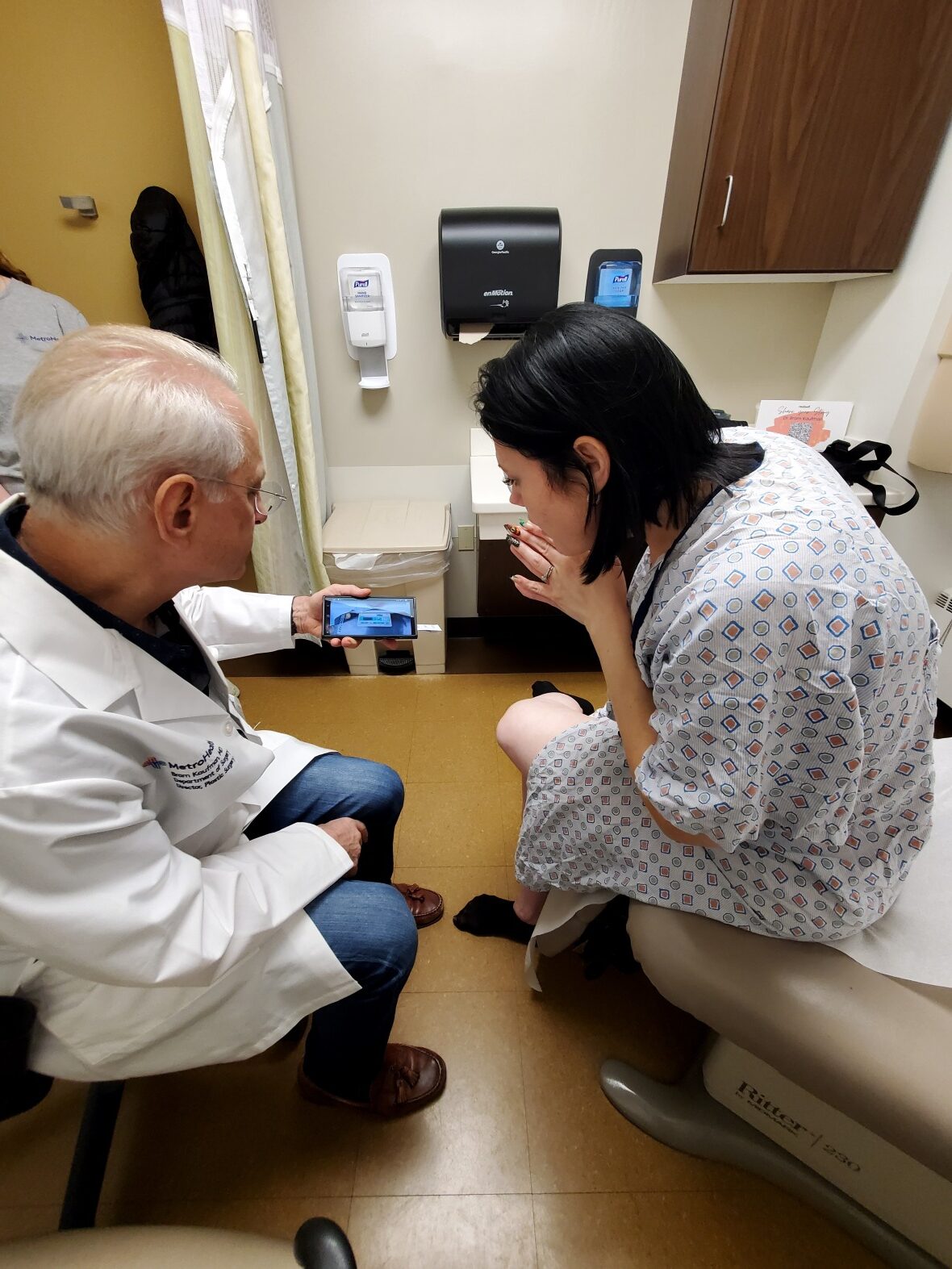
In spring 2025, Jennifer met with Bram Kaufman, MD, MetroHealth’s Division Director of Plastic Surgery. She hoped to have extra skin removed from her stomach, arms, breasts, and buttocks. But Dr. Kaufman asked her to choose two priorities for safety reasons. “We have to protect your health first,” he explained. “Staying on the operating table too long adds risks. So we focus on what will help you most right now.”
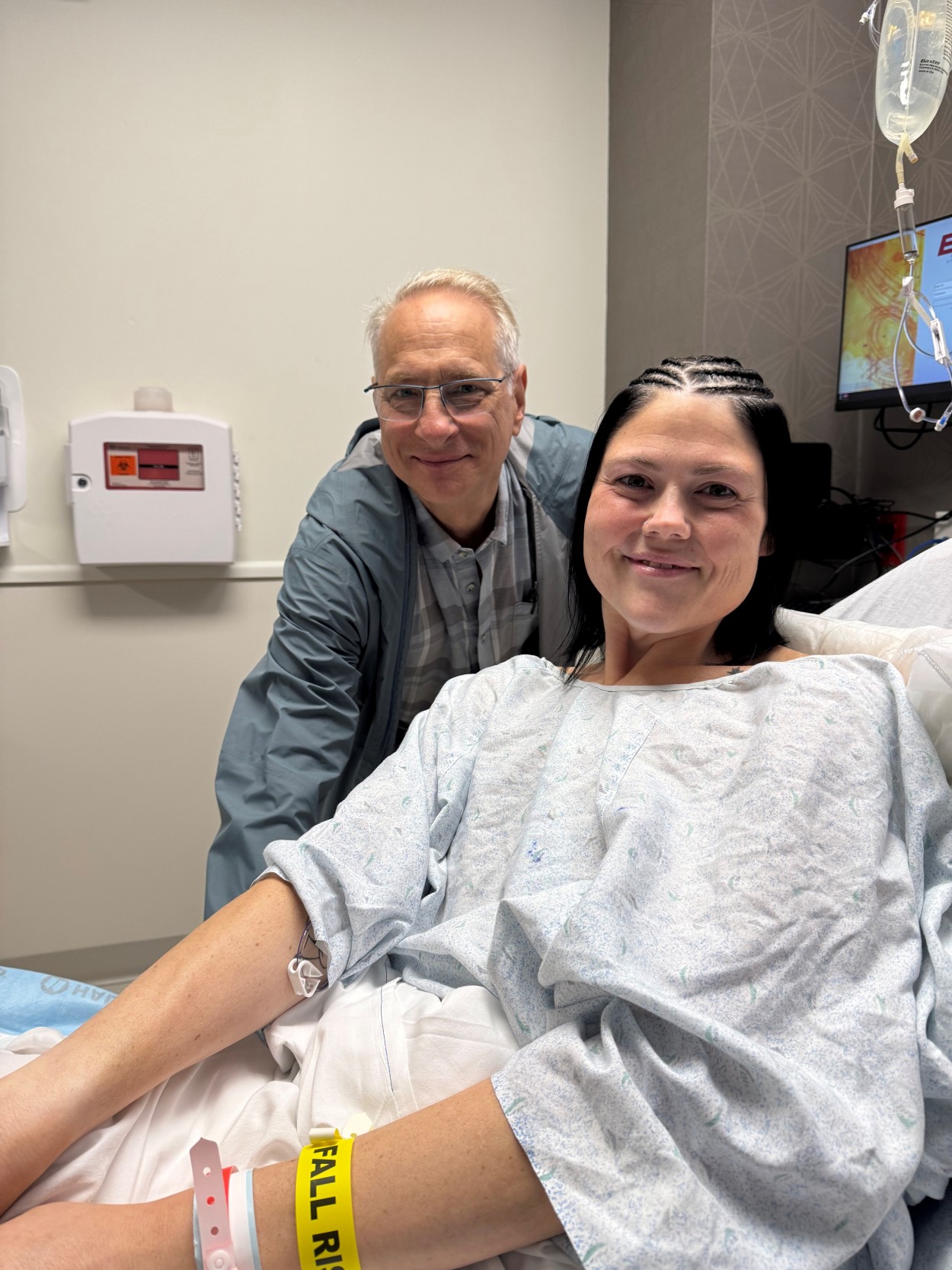
For Jennifer, the stomach was her top concern. On September 24, 2025, right before the skin-removal surgery, OB-GYN Jose Garcia, MD, performed a laparoscopic hysterectomy to treat her severe endometriosis and PCOS—conditions she had battled for most of her adult life.
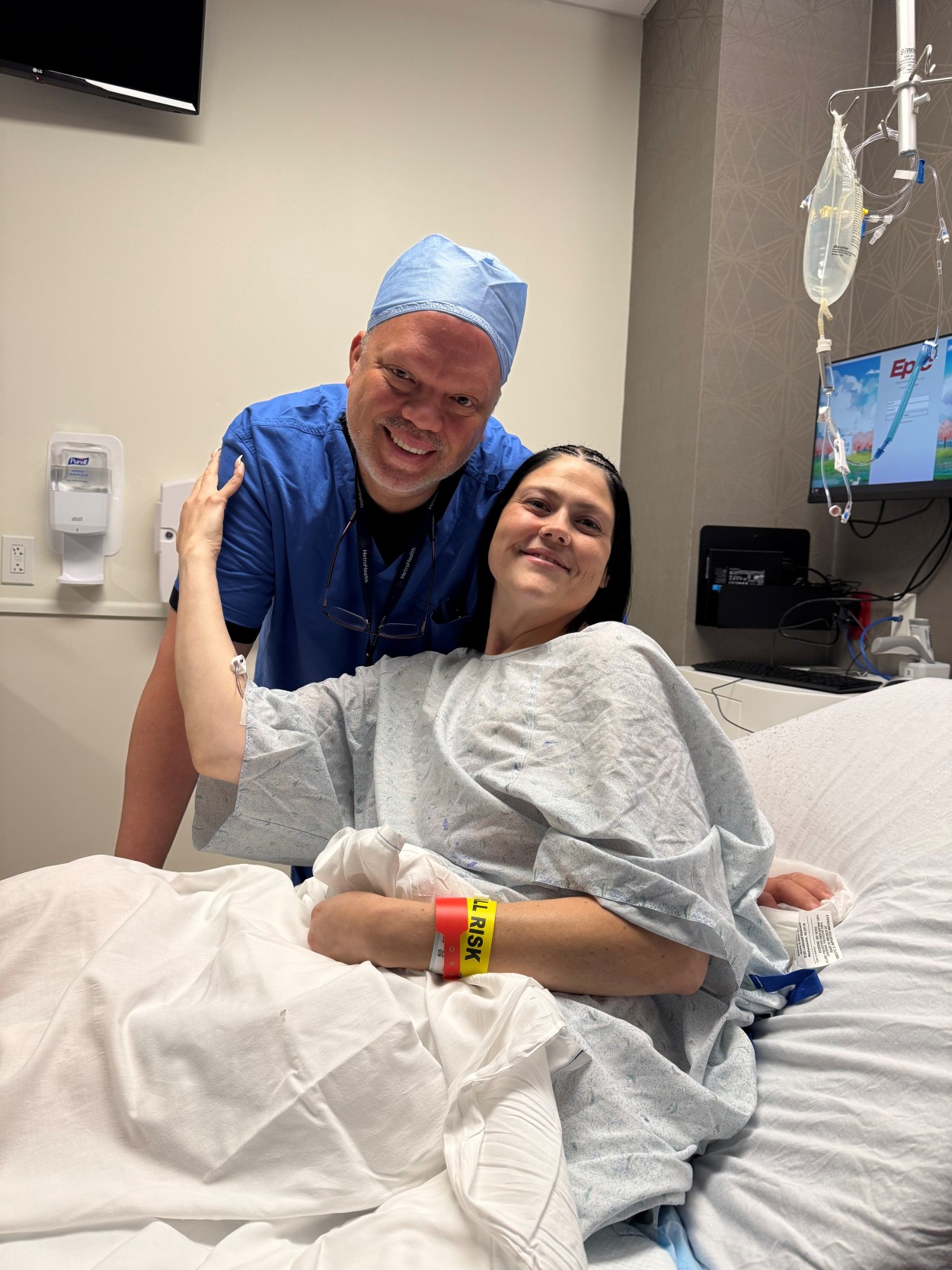
Afterwards, Dr. Kaufman performed a panniculectomy (removal of the apron of excess skin) and a tummy tuck, tightening her abdominal wall. The panniculectomy was covered by insurance because it was medically necessary and helped prevent infection, back strain, and lymphedema.
Healing and Moving Forward
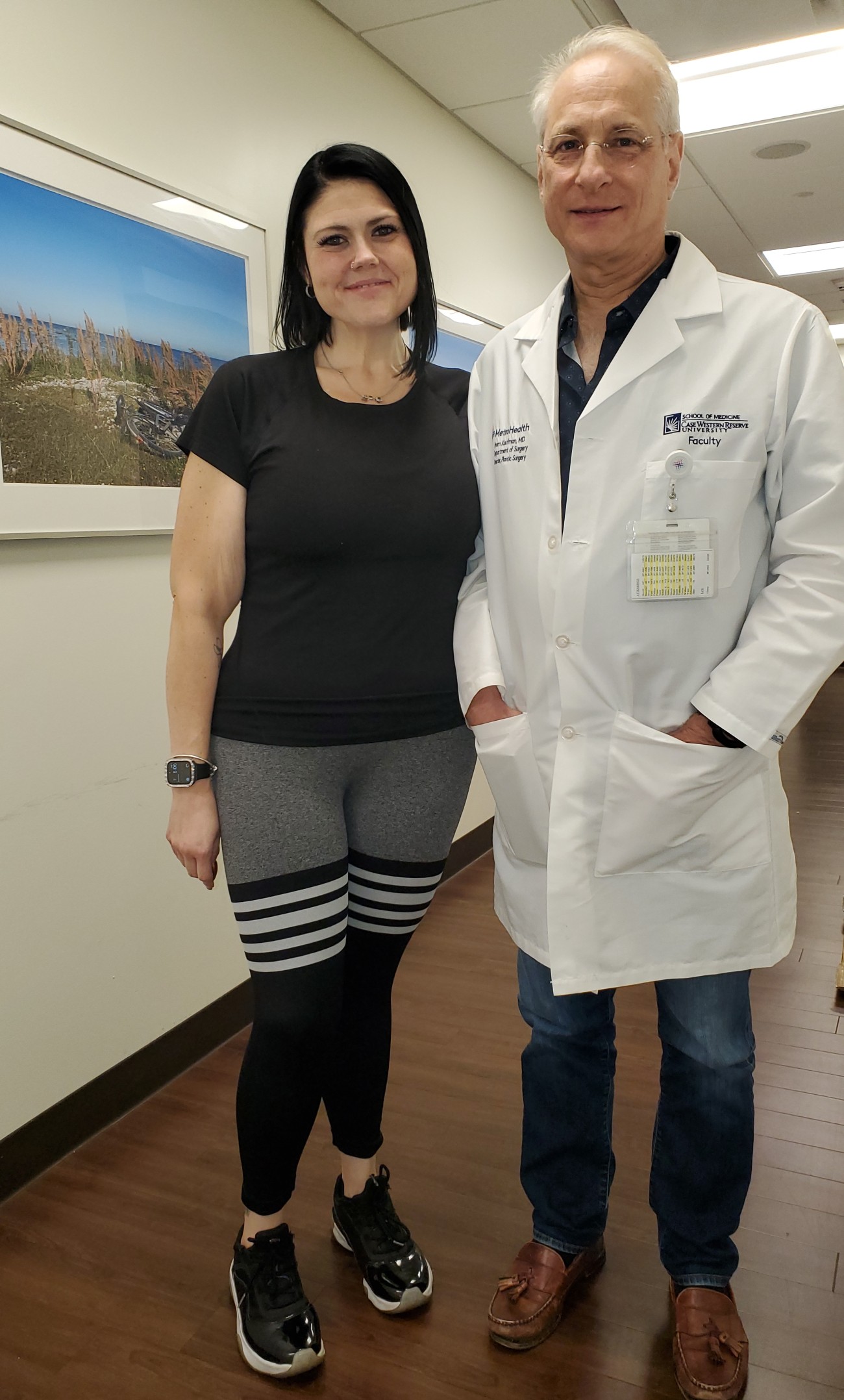
For three months, Jennifer returned for follow-up visits with her care team. Dr. Kaufman was pleased with her progress.
Jennifer asked how much skin he had removed. He told her it was just over three pounds—almost all skin, very little fat. Today, Jennifer’s weight is stable, and her BMI remains around 28. She still hopes to have her arms, breasts, and buttocks done in the future.
Dr. Kaufman acknowledges how hard the journey can be. “These are long and often emotional journeys,” he said. “Patients like Jennifer show incredible strength.”
Inspiring Others
Jennifer’s doctors are proud of her for sharing her story publicly. “There’s so much stigma around obesity,” Dr. Dorsey said. “Jennifer is a positive guiding light for patients considering weight‑loss surgery.”
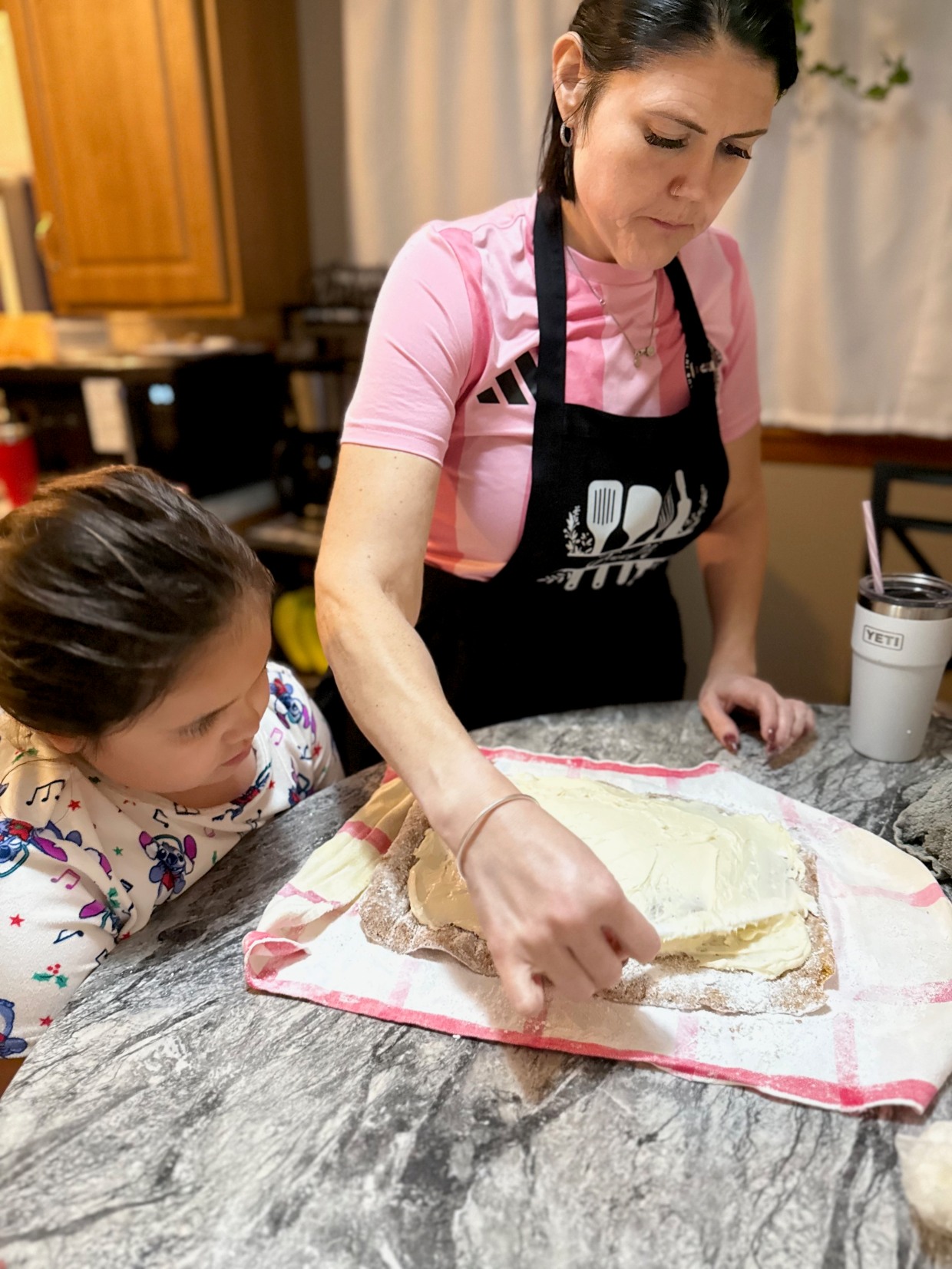
Jennifer hopes her journey inspires others. “My message is simple,” she says. “You can change your life. It’s not easy, but it’s worth it.”